
Skip to content
Maya Skies | Maya Astronomy, Calendars & Archaeology
  • Home
  • Tools
    • Calendar Round Calculator
    • Chichen Itza Architecture Explorer
    • Long Count Calculator
    • Maya Calendar Converter
    • Maya Number Converter
    • Maya Numerals Chart
    • Maya Time Units Calculator
    • Venus Cycle Explorer
  • Topics
    • Archaeology
    • Calendar Systems
    • Chichén Itzá
    • Digital Heritage
    • Math & Writing
    • Maya Astronomy
    • Maya Cosmology
  • About Us
    • Project History
    • Research Standards
    • Editorial Policy
    • Corrections Policy
    • Image Credits

Recent Posts

  • Understanding Maya E-Group Architecture: Early Observatories or Ritual Spaces?
  • Why the Haab’ Had No Leap Year: Solar Drift and Maya Timekeeping
  • The Pleiades in Maya Culture: Agricultural Markers and Ritual Significance
  • What Is the GMT Correlation? Understanding Maya Calendar Date Conversion
  • Who Are the Lords of the Night? Maya Time Deities Explained

Recent Comments

No comments to show.

Archives

  • September 2026
  • August 2026

Categories

  • Archaeology
  • Calendar Systems
  • Chichén Itzá
  • Digital Heritage
  • Math & Writing
  • Maya Astronomy
  • Maya Cosmology

Maya Astronomy

Guides on celestial observations and planetary alignments recorded by Maya scientists.

Observing Venus at Chichén Itzá: Architecture and Astronomy

Observing Venus at Chichén Itzá: Architecture and Astronomy

August 4, 2026 | Maya Astronomy | Husai Anguiano Tamayo

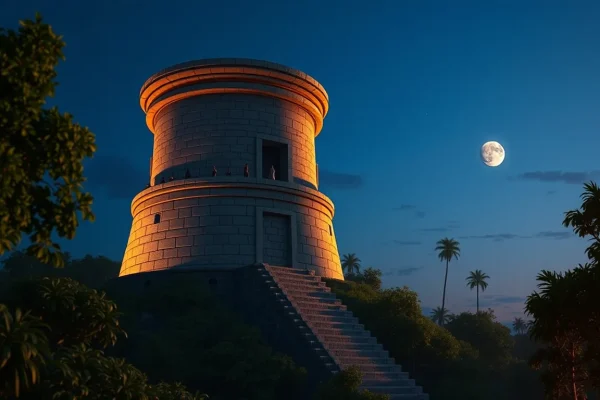
At Chichén Itzá, the Maya observed Venus using the El Caracol structure, aligning its architecture with the planet’s complex cycles. Venus was critical for timing warfare and held significance as the sun’s twin within Maya cosmology.
Read More →
Solar Chronometry: Methods of Maya Sun Tracking

Solar Chronometry: Methods of Maya Sun Tracking

August 4, 2026 | Maya Astronomy | Husai Anguiano Tamayo

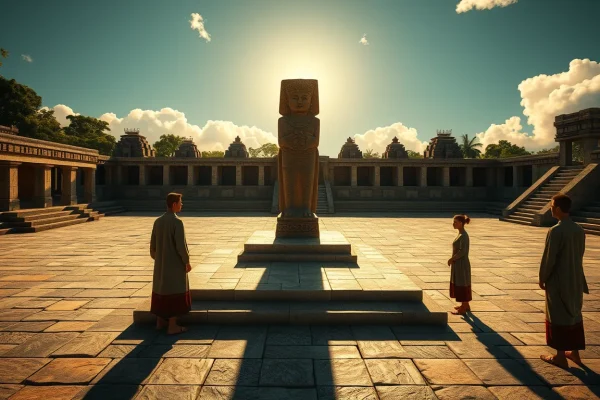
The Maya civilization developed sophisticated methods to track the movement of the sun using architectural alignments and gnomonic devices. Archaeological evidence from sites like Copan reveals the use of stelae as sundials to mark solstices and zenith passages. This precision supported their agricultural schedules and complex calendar systems.

Read More →

Posts pagination

← Previous 1 2

About This Site

Reading the Sky, Time, and Architecture of the Maya

Recent Articles

  • Understanding Maya E-Group Architecture: Early Observatories or Ritual Spaces?
  • Why the Haab’ Had No Leap Year: Solar Drift and Maya Timekeeping
  • The Pleiades in Maya Culture: Agricultural Markers and Ritual Significance
  • What Is the GMT Correlation? Understanding Maya Calendar Date Conversion
  • Who Are the Lords of the Night? Maya Time Deities Explained
  • Home
  • Privacy Policy
  • About Us
  • Contact Us
  • Disclaimer
  • Terms of Service
© 2026 Maya Skies | Maya Astronomy, Calendars & Archaeology. All rights reserved. Powered by WordPress