Skip to content
Maya Skies | Maya Astronomy, Calendars & Archaeology
  • Home
  • Tools
    • Calendar Round Calculator
    • Chichen Itza Architecture Explorer
    • Long Count Calculator
    • Maya Calendar Converter
    • Maya Number Converter
    • Maya Numerals Chart
    • Maya Time Units Calculator
    • Venus Cycle Explorer
  • Topics
    • Archaeology
    • Calendar Systems
    • Chichén Itzá
    • Digital Heritage
    • Math & Writing
    • Maya Astronomy
    • Maya Cosmology
  • About Us
    • Project History
    • Research Standards
    • Editorial Policy
    • Corrections Policy
    • Image Credits

Recent Posts

  • K’inich Ajaw: The Maya Sun God and Celestial Personification
  • Maya E-Group Observatories: Architecture, Astronomy, and Ritual Function
  • Beyond Stone: The Original Colors of Maya Architecture and Murals
  • Did the Maya Use Multiplication and Division? Advanced Arithmetic Techniques
  • Digital Preservation of the Xultun Astronomical Murals

Recent Comments

No comments to show.

Archives

  • October 2026
  • September 2026
  • August 2026

Categories

  • Archaeology
  • Calendar Systems
  • Chichén Itzá
  • Digital Heritage
  • Math & Writing
  • Maya Astronomy
  • Maya Cosmology

Month: September 2026

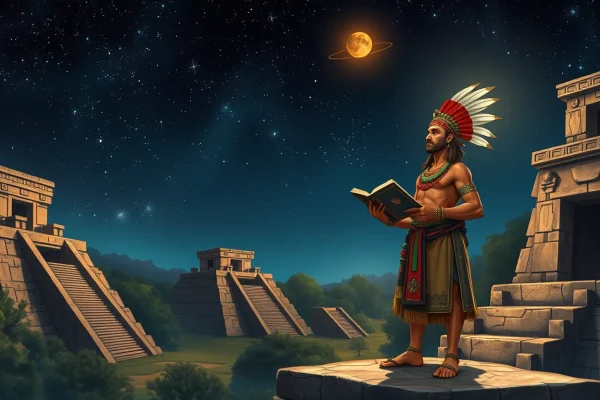
Celestial Warriors: The Role of Mars and Jupiter in Maya Astronomy

Celestial Warriors: The Role of Mars and Jupiter in Maya Astronomy

September 30, 2026 | Maya Astronomy | Husai Anguiano Tamayo

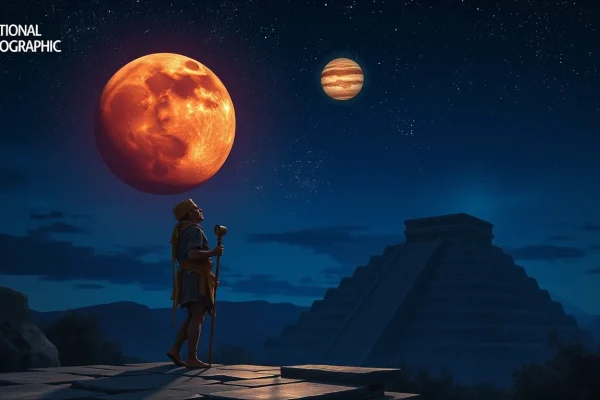
Ancient Maya astronomers meticulously tracked the movements of Mars and Jupiter, integrating these cycles into their calendrical systems and cosmological beliefs. While Mars is explicitly documented in the Dresden Codex regarding warfare timing, Jupiter was observed as part of the broader planetary cycles influencing agricultural and ritual schedules.
Read More →
Who Were the Maya Astronomers? Social Role and Training of Priests

Who Were the Maya Astronomers? Social Role and Training of Priests

September 30, 2026 | Archaeology | Husai Anguiano Tamayo

The Maya astronomers were primarily professional priests who served as intermediaries between the population and deities, mastering literacy, calendrics, and astrology. While scholarly focus shifted to royal shamanism in the 1960s, archaeological evidence confirms a developed priesthood essential to Classic Maya civilization.

Read More →
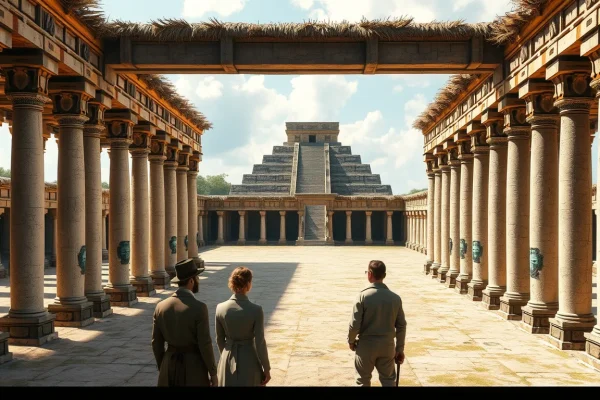
Ceremonial Functions of the Group of the Thousand Columns at Chichén Itzá

Ceremonial Functions of the Group of the Thousand Columns at Chichén Itzá

September 30, 2026 | Chichén Itzá | Husai Anguiano Tamayo

The Group of the Thousand Columns at Chichén Itzá served as a vast ceremonial complex and meeting hall between 900 and 1200 A.D. Archaeological evidence suggests it hosted public rituals, supported by colonnades adorned with Chaac masks and warrior motifs.

Read More →
Digital Epigraphy: Using AI and Machine Learning to Decipher Maya Glyphs

Digital Epigraphy: Using AI and Machine Learning to Decipher Maya Glyphs

September 30, 2026 | Digital Heritage | Husai Anguiano Tamayo

Digital epigraphy represents the convergence of computer science and archaeology to analyze Ancient Maya writing. Through projects like MAAYA and fine-tuned foundation models, researchers are accelerating the decipherment of hieroglyphs using machine learning tools designed in collaboration with epigraphists.

Read More →
The Great Ball Court at Chichén Itzá: Purpose, Cosmology, and Architecture

The Great Ball Court at Chichén Itzá: Purpose, Cosmology, and Architecture

September 29, 2026 | Chichén Itzá | Husai Anguiano Tamayo

The Great Ball Court at Chichén Itzá served as a multifaceted center for ritual, sociopolitical power, and cosmological reenactment. As the largest court in Mesoamerica, it symbolized the underworld and hosted events ranging from sporting matches to sacrificial ceremonies.

Read More →
Maya Head Variant Numerals: Deity Glyphs for Numbers

Maya Head Variant Numerals: Deity Glyphs for Numbers

September 29, 2026 | Math & Writing | Husai Anguiano Tamayo

Maya head variant numerals are anthropomorphic glyphic representations of numbers used alongside the standard bar-and-dot system. These intricate glyphs often depict deity features corresponding to specific numerical values within the vigesimal system. They serve critical functions in calendar inscriptions and monumental art across the Maya region.

Read More →
Reflectance Transformation Imaging in Maya Epigraphy

Reflectance Transformation Imaging in Maya Epigraphy

September 28, 2026 | Math & Writing | Husai Anguiano Tamayo

Reflectance Transformation Imaging (RTI) is a computational photographic method used to document and analyze surface details of Maya inscriptions. This technology allows archaeologists to manipulate light digitally, revealing faded glyphs and incised graffiti invisible to the naked eye.

Read More →
Xibalba: The Significance of the Maya Underworld in Cosmology and Myth

Xibalba: The Significance of the Maya Underworld in Cosmology and Myth

September 28, 2026 | Maya Cosmology | Husai Anguiano Tamayo

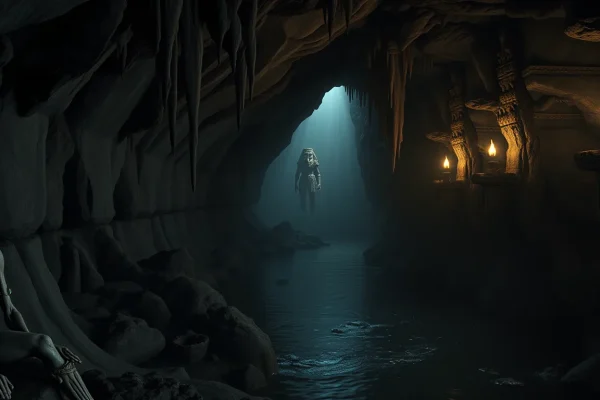
Xibalba, the ‘Place of Fear,’ is the subterranean realm of the Maya underworld ruled by death gods. It serves as a critical cosmological site where the struggle between life, death, and rebirth is enacted through myth and ritual.

Read More →
How Did the Maya Predict Lunar Eclipses? Ancient Astronomy and the Dresden Codex

How Did the Maya Predict Lunar Eclipses? Ancient Astronomy and the Dresden Codex

September 28, 2026 | Maya Astronomy | Husai Anguiano Tamayo

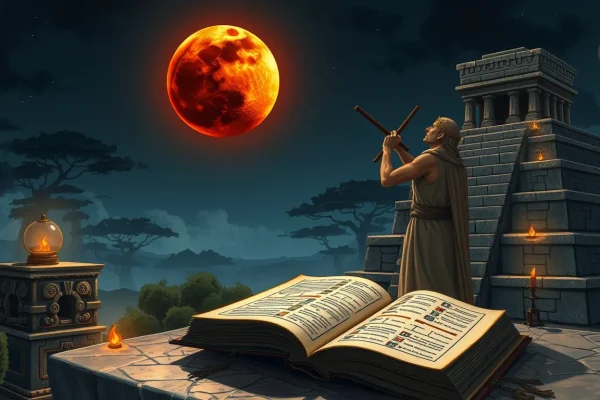
The ancient Maya developed sophisticated eclipse prediction tables accurate to within 33 minutes over 400 years. Using the Dresden Codex, calendar specialists tracked a 405-lunation cycle to anticipate celestial events without telescopes.

Read More →
Preserving Maya Codices: Digital Imaging and Multispectral Analysis

Preserving Maya Codices: Digital Imaging and Multispectral Analysis

September 28, 2026 | Digital Heritage | Husai Anguiano Tamayo

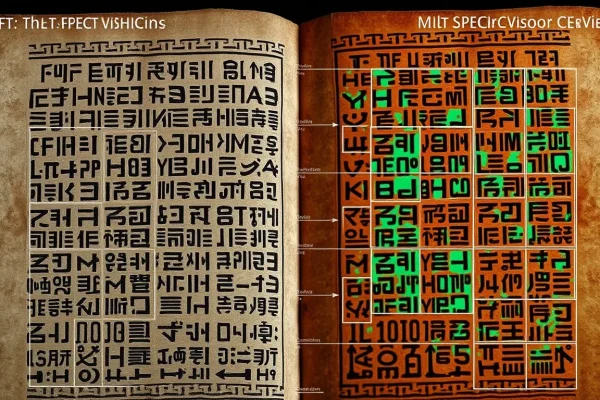
Digital imaging and multispectral analysis are revolutionizing the study of ancient Maya codices. These non-invasive technologies reveal hidden glyphs and organic paints beneath layers of gesso, aiding decipherment without damaging fragile artifacts.

Read More →

Posts pagination

1 2 3 … 6 Next →

About This Site

Reading the Sky, Time, and Architecture of the Maya

Recent Articles

  • K’inich Ajaw: The Maya Sun God and Celestial Personification
  • Maya E-Group Observatories: Architecture, Astronomy, and Ritual Function
  • Beyond Stone: The Original Colors of Maya Architecture and Murals
  • Did the Maya Use Multiplication and Division? Advanced Arithmetic Techniques
  • Digital Preservation of the Xultun Astronomical Murals
  • Home
  • Privacy Policy
  • About Us
  • Contact Us
  • Disclaimer
  • Terms of Service
© 2026 Maya Skies | Maya Astronomy, Calendars & Archaeology. All rights reserved. Powered by WordPress