The 13th Baktun Completion: Debunking the 2012 Maya Apocalypse Myth

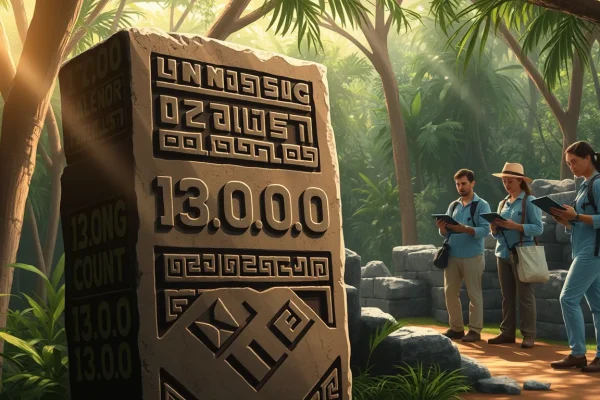
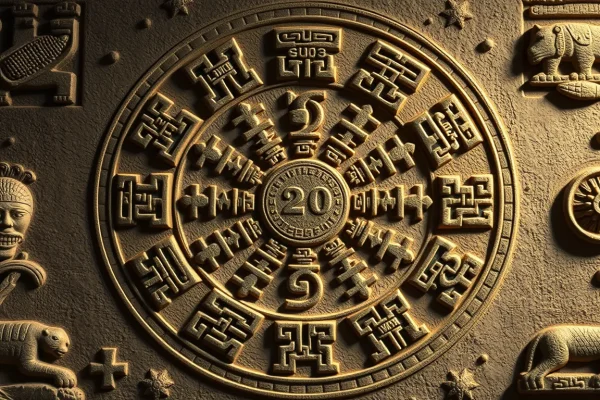
The completion of the 13th Baktun on December 21, 2012, marked the end of a major cycle in the Maya Long Count calendar, not the end of the world. Archaeological evidence from sites like Tortuguero and Quiriguá confirms this event was viewed as a renewal rather than a catastrophe. This article examines the scientific consensus and historical records that debunk modern doomsday interpretations.

Read More →

Understanding the GMT Correlation Constant in Maya Calendar Conversion

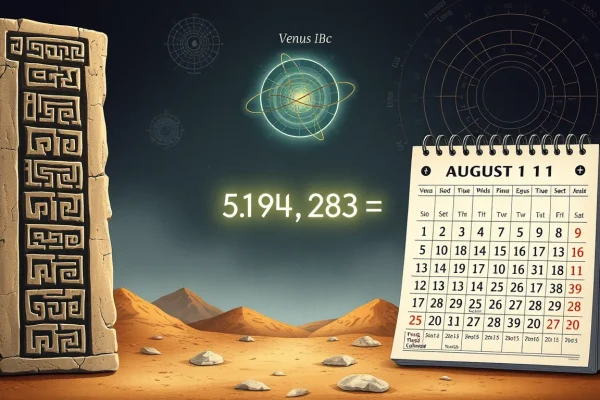
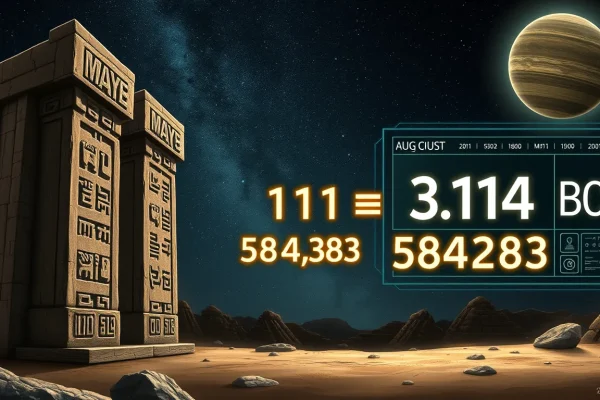
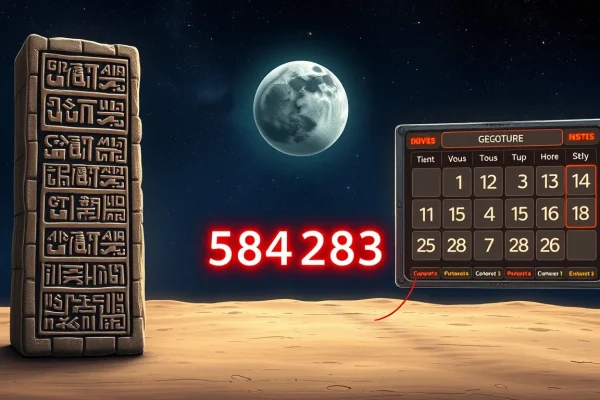
The GMT correlation constant is the numerical key linking the Maya Long Count calendar to the Western Gregorian and Julian systems. Centered on the value 584,283, it establishes the creation date of the current Maya era as August 11, 3114 BC. This constant remains the scholarly standard for converting ancient inscriptions into modern historical timelines.

Read More →

The GMT Correlation Constant: Linking Maya Long Count to Gregorian Dates

The Goodman-Martinez-Thompson (GMT) correlation constant is the fundamental key used by archaeologists to convert Maya Long Count dates into the modern Gregorian calendar. Based on a Julian Day Number of 584,283, this constant aligns the Maya creation date of 0.0.0.0.0 with August 11, 3114 BC. Recent high-precision radiocarbon dating and astronomical records continue to validate this correlation, resolving centuries of debate regarding Maya chronology.

Read More →