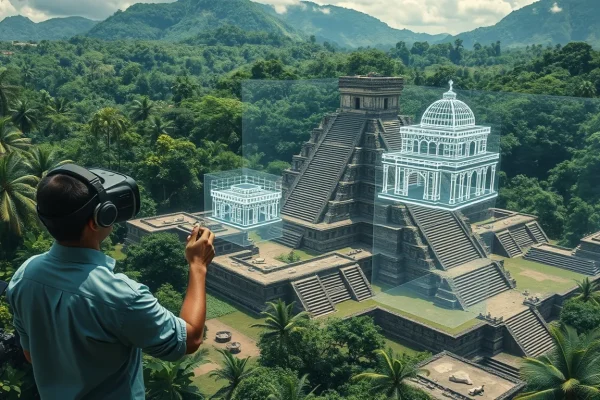
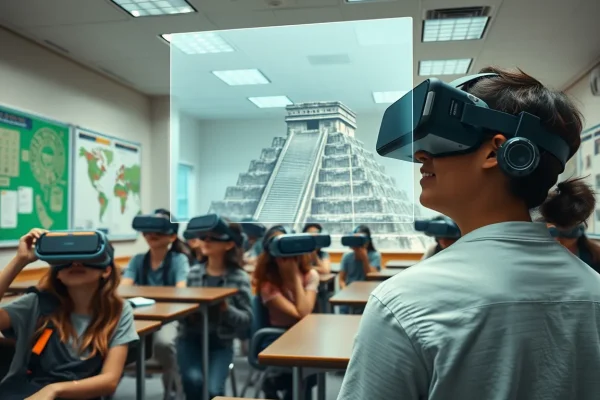
Virtual Reality in Maya History Education: Enhancing Classroom Engagement Through Digital Heritage

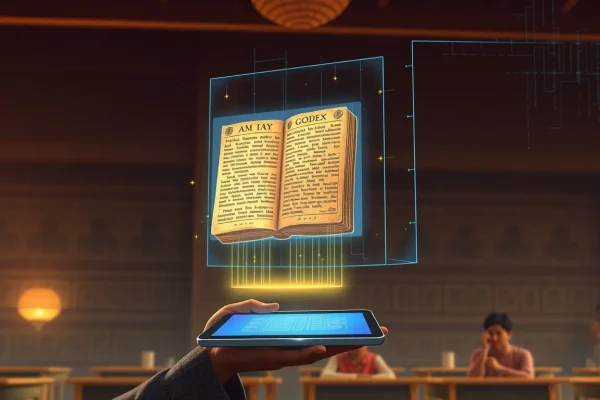
Virtual Reality (VR) technology is transforming Maya history education by providing immersive reconstructions of archaeological sites like Cerro Maya and Chichén Itzá. Studies indicate VR increases student engagement, comprehension, and retention of complex anthropological concepts regarding social hierarchy and ritual practice. This digital heritage approach bridges the gap between abstract theory and tangible ancient environments.
Read More →

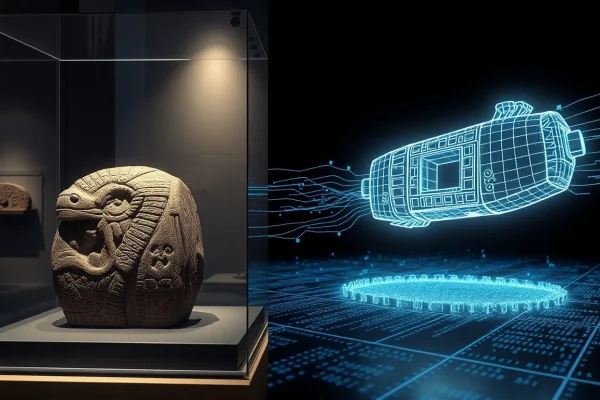
The Ethics of Digital Repatriation for Maya Cultural Heritage Data

Digital repatriation offers a method to return cultural heritage to Maya communities through surrogates, yet it raises complex ethical questions regarding ownership, control, and relational engagement. Recent scholarship critiques practices that prioritize access over community-led meaning-making and highlights risks associated with open data technologies like LiDAR.

Read More →

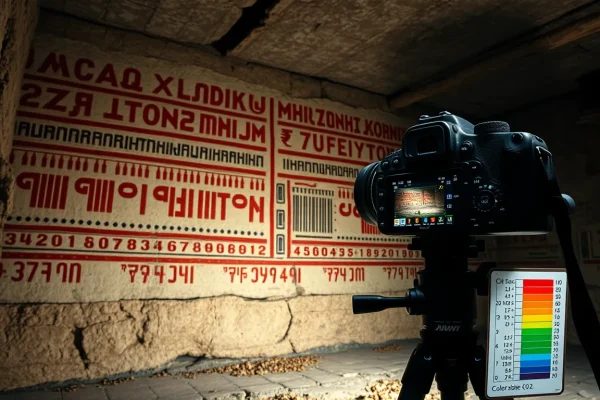
Creating Digital Fonts for Maya Glyphs: Technical and Linguistic Challenges

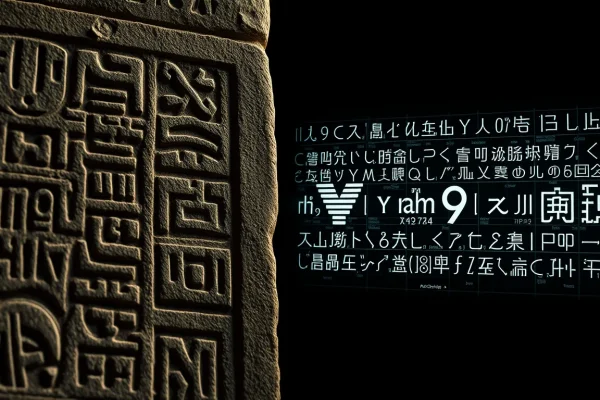
The digitization of Classic Maya hieroglyphs represents a frontier in digital heritage, requiring interdisciplinary collaboration between epigraphers and font engineers. Despite advances, the script remains excluded from the Unicode Standard as of 2026, posing significant challenges for digital representation. This article explores the technical hurdles and cultural considerations in encoding one of the Americas’ most elaborate writing systems.

Read More →

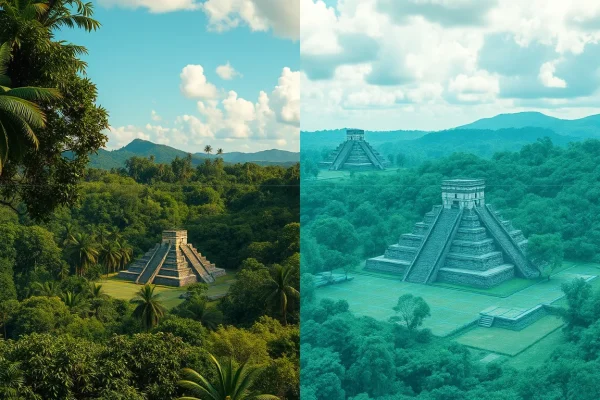
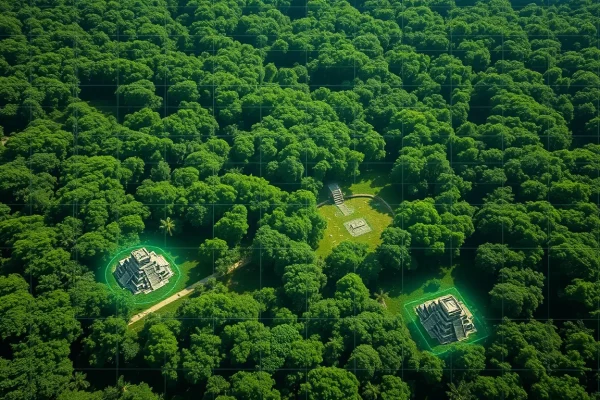
LiDAR and Maya Archaeology: Uncovering Hidden Landscapes Under the Canopy

Airborne laser scanning technology, known as LiDAR, has revolutionized the understanding of Ancient Maya civilization by digitally removing forest canopies to reveal vast urban networks. Recent surveys in northern Guatemala and Belize have identified hundreds of square kilometers of modified agricultural terrain and extensive causeway systems. These findings suggest a level of societal complexity, centralized planning, and population density previously unimagined by researchers.

Read More →

Who Owns Digital Replicas of Indigenous Cultural Heritage?

The ownership of digital replicas of Indigenous cultural heritage remains a contentious issue involving legal, ethical, and social dimensions. While virtual repatriation offers increased access, it often allows collecting institutions to retain control over original artifacts. Current debates focus on whether digital surrogates can replace the material and sacred significance of physical objects.

Read More →