Venus in Maya Astronomy: Observation, Calendars and Meaning
An comprehensive archaeological and astronomical analysis of Venus cycles in Maya culture, covering the Dresden Codex, architectural alignments, and ritual significance.

Updates on excavation methods and physical evidence uncovered by researchers.
An comprehensive archaeological and astronomical analysis of Venus cycles in Maya culture, covering the Dresden Codex, architectural alignments, and ritual significance.
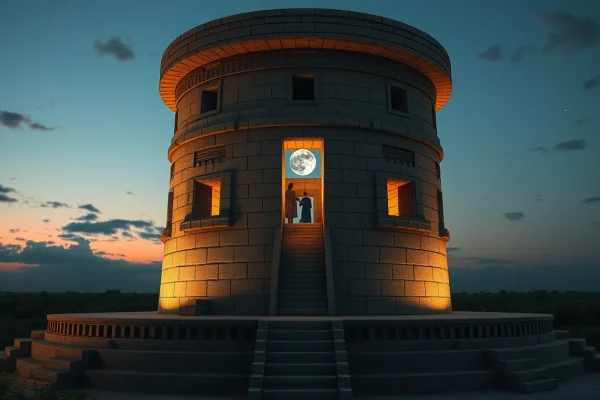
El Caracol at Chichén Itzá is widely cited as a Maya observatory, but archaeological evidence suggests a nuanced function. While architectural alignments match Venus and solar cycles, not every window served an astronomical purpose, indicating a dual role as both a scientific instrument and a monument to Quetzalcoatl.
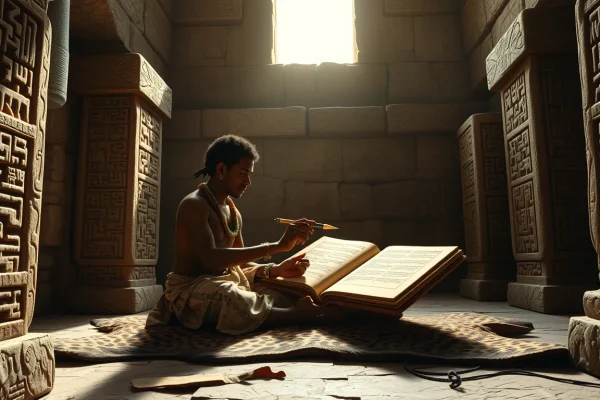
A comprehensive archaeological overview of the Maya hieroglyphic script, covering its logosyllabic structure, the role of scribes, historical development, and modern decipherment efforts.
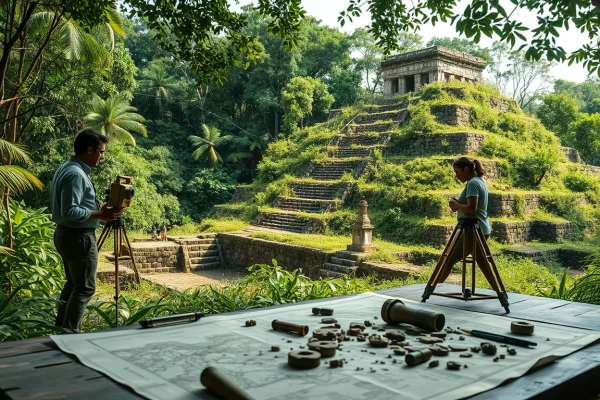
An comprehensive examination of the scientific methodologies, digital technologies, and archaeological strategies used to reconstruct the history and culture of the ancient Maya civilization.
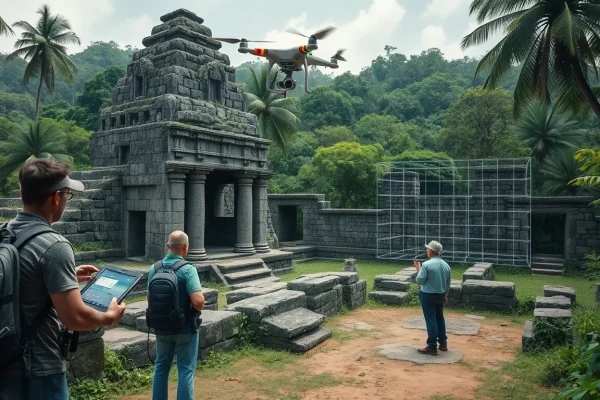
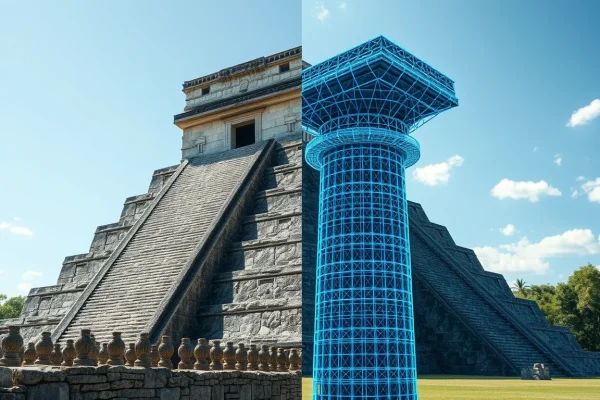
3D archaeology utilizes advanced digital technologies like photogrammetry and LiDAR to document, preserve, and reconstruct endangered cultural heritage sites. This approach minimizes invasive excavation while creating permanent digital records against threats such as war and climate change.
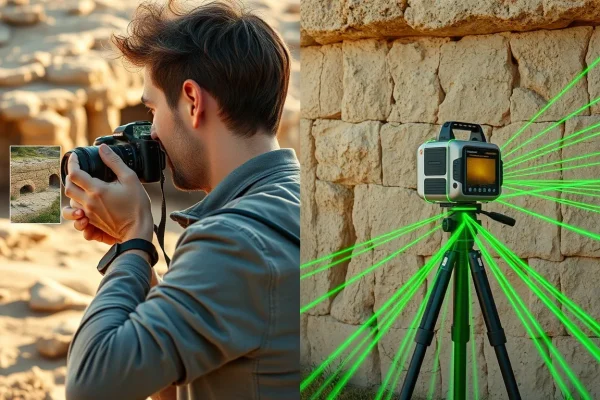
This article compares Structure from Motion (SfM) photogrammetry and Terrestrial Laser Scanning (TLS) for archaeological documentation. It evaluates accuracy, cost, and workflow based on case studies from cultural heritage sites.
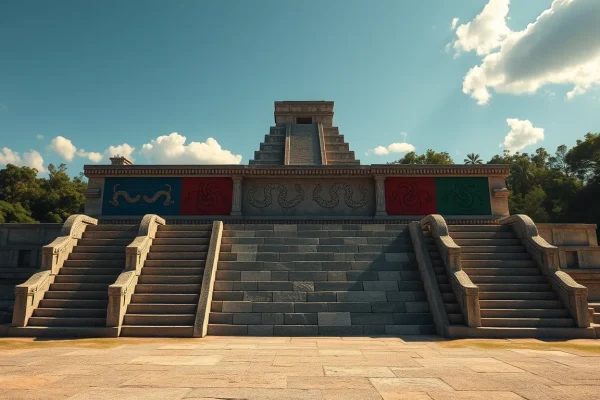
The Platform of Venus at Chichén Itzá is a square ceremonial structure dedicated to the planet Venus, featuring intricate bas-reliefs and astronomical alignments. Located near the Sacred Cenote, it served as a podium for rites linked to the Morning Star and warfare symbolism.
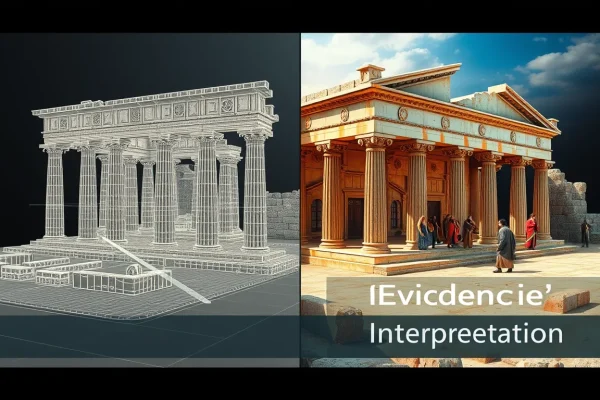
Archaeological reconstruction bridges the gap between fragmented data and public understanding, yet it balances precariously between scientific evidence and artistic imagination. This article explores the methodology, ethics, and digital tools used to visualize the past without misleading audiences about uncertainty.
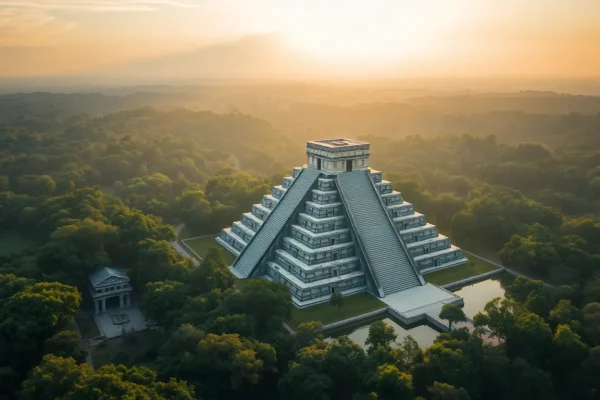
Chichén Itzá served as a paramount political, religious, and commercial hub in the Maya world. Its importance stems from strategic water access, architectural innovation, and its role as a bridge between Maya and Central Mexican cultures.
Modern digital heritage technologies enable archaeologists to create precise virtual reconstructions of Maya architecture. While physical restoration is limited by conservation ethics, 3D data-driven analysis allows for rigorous testing of structural hypotheses without damaging original remains.