
Short Answer
The relationship between the Maya city of Chichén Itzá in the Yucatán Peninsula and the Central Mexican site of Tula (Tollan) remains one of the most significant and debated topics in Mesoamerican archaeology. Since the 19th century, scholars have noted striking similarities in art and architecture between these two sites, particularly in the era between the Classic and Postclassic periods. These similarities have led to various hypotheses ranging from direct military conquest to elite emulation of an international style. Understanding the architectural evidence requires navigating shifting chronologies and interpreting material culture within its social context.
Main Explanation
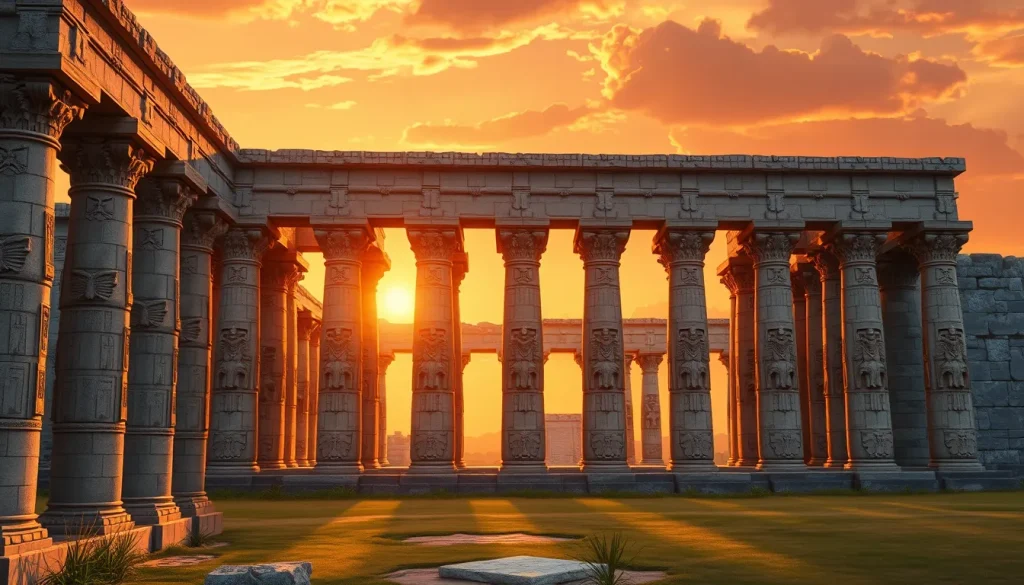
The architectural evidence indicating Toltec influence at Chichén Itzá is primarily visible in the northern sector of the site, often referred to as the Toltec-Style sector. This area features distinct building plans and decorative elements that differ markedly from the earlier Puuc-style architecture found in the southern sector of Chichén Itzá. The most prominent indicators include the use of flat roofs supported by wooden beams instead of traditional Maya corbelled vaults, extensive colonnaded halls, and specific sculptural types such as atlantean figures and chacmools. These features are hallmarks of Central Mexican architecture, specifically associated with the Toltec culture centered at Tula, Hidalgo.
Historically, the presence of these features led to the Toltec Invasion Hypothesis, which posited that a group of Toltecs led by the mythological figure Quetzalcoatl conquered Chichén Itza around the 10th century. However, late 20th-century studies almost universally rejected this interpretation in favor of elite emulation hypotheses. This revised view argued that the similarities represented an international style adopted by independent elites across Mesoamerica to legitimize their power, rather than evidence of mass migration or conquest. Despite this shift, recent chronological data has reopened the debate. New chronologies produced at Chichén Itzá no longer support the elite emulation hypothesis as strongly, instead corresponding closely to earlier proposals of the Toltec conquest model. This change provides an excellent opportunity to revisit the topic and reconsider the nature of the connection.
Furthermore, ethnohistoric evidence from the early Colonial period suggests that the Maya of Yucatan recognized that, around 500 years earlier, Central Mexican influence was present. This oral and textual tradition supports the idea that the architectural changes were not merely stylistic but reflected a significant socio-political shift. Nevertheless, the directionality of this influence is contested. Some analysis suggests that Chichén Itzá construction dates primarily to the Late Classic period, circa A.D. 700–1000, rather than the Early Postclassic. If Chichén largely antedated Tollan-phase Tula, what is usually identified as Toltec imagery might in fact date to an earlier Epiclassic horizon extending across Mesoamerica, implying Chichén Itzá may have influenced Tula or that both participated in a shared cultural phenomenon.
Evidence & Sources
Archaeological evidence for the Tula-Chichén Itza connection is mediated through material culture, including architectural plans, building elements, sculptural types, and iconographic elements. The scientific process of uncovering this material culture involves interpretation, as reconstructions of the past are products of social context as much as physical data. Scholars routinely debate the social and political reasons for the use of common architectural plans at these two cities. One controversy has been the proposition that the Toltec conquest model of Mayan culture is too simplistic, ignoring the agency of local Maya elites.
Recent scholarship by Stanley Guenter highlights that the latest chronology produced at Chichen Itza corresponds closely to earlier proposals of the Toltec conquest model, challenging the elite emulation hypothesis. This is supported by ethnohistoric evidence indicating early Colonial Maya recognized Central Mexican influence from approximately 500 years prior. Conversely, research by Ringle, Gallareta Negrón, and Bey suggests that Chichen largely antedated Tollan-phase Tula. They conclude that Toltec imagery dates to an earlier Epiclassic horizon, complicating the narrative of a one-way transfer of culture from Tula to Chichén. This demonstrates that archaeology is often misrepresented as an exact science; the interpretation of artifacts unearths meaning that evolves with new data.
The debate is further contextualized by work from Kowalski and colleagues, who note that since the 19th century, the nature of the relationship between Chichén Itzá and Tula has been a recurring problem. They address the controversy that the Toltec conquest model is too simplistic in forthcoming compilations such as Twin Tollans. These sources collectively indicate that while the architectural evidence is concrete, the historical narrative built upon it remains fluid. The intersection of archaeology and digital heritage, through improved dating methods and chronology production, continues to refine our understanding of whether these similarities indicate invasion, emulation, or a shared Epiclassic identity.
Deep Dive Analysis
Location: The evidence is concentrated in the Great North Platform of Chichén Itzá, Yucatán, Mexico, including the Temple of Warriors, the Castillo, and the Great Ball Court.
Construction/History: Construction dates are debated. Traditional models place this phase in the Early Postclassic (A.D. 900–1200). However, continuing analysis suggests construction dates primarily to the Late Classic period, ca. A.D. 700–1000. This redating has implications for the Toltec problem, as it suggests Chichén may have flourished before the height of Tula.
Architecture: Key features include columned halls (e.g., Group of 1,000 Columns), flat roofs with wooden lintels, and vestibules. Sculptural elements include atlantean figures supporting altars, chacmools (reclining figures), and standard-bearers. Iconography prominently features the Feathered Serpent (Quetzalcoatl/Kukulcan), eagles, and jaguars consuming hearts.
Astronomical Interpretation: While primarily martial in iconography, structures like the Castillo align with equinoxes. The Toltec-style structures often emphasize Venus symbolism, linked to warfare, which aligns with the Epiclassic horizon’s focus on militarism.
Archaeological Evidence: Material culture includes thin orange ware pottery linked to Central Mexico. Stratigraphic data is being re-evaluated with new chronologies that support earlier conquest models. Ethnohistoric texts from the Colonial period recognize the Central Mexican connection.
Alternative Interpretations: The Elite Emulation Hypothesis argues local Maya adopted foreign styles for prestige without migration. The Epiclassic Horizon theory suggests a widespread cultural movement where Chichén and Tula were contemporaries or Chichén was earlier, rather than Tula influencing Chichén.
Scholar Consensus: Consensus has shifted over time. Late 20th century favored emulation. Recent chronology (Guenter 2019) revisits conquest. Ringle et al. (2008) argue for an earlier Epiclassic date for Chichén. There is no single unanimous view, but the relationship is acknowledged as close.
Visitor Misconception: Visitors often assume Tula was the capital that colonized Chichén. Current evidence suggests the relationship was reciprocal or that Chichén may have preceded Tula’s Tollan phase, challenging the idea of a simple parent-child cultural relationship.
FAQ
Did the Toltecs conquer Chichén Itzá?
This is debated. While early theories supported conquest, later theories suggested emulation. Recent chronology data supports revisiting the conquest model, though some evidence suggests Chichén may have antedated Tula.
What architectural features link Chichén Itzá and Tula?
Key features include colonnaded halls, atlantean warrior columns, chacmools, flat roofs, and Feathered Serpent iconography.
Is Chichén Itzá older than Tula?
Some analysis suggests Chichén construction dates to the Late Classic (700–1000 AD), potentially antedating the Tollan-phase of Tula, indicating a shared Epiclassic horizon.
Why is the Toltec connection controversial?
Controversy stems from conflicting chronologies, differing interpretations of material culture, and the complexity of distinguishing between migration and stylistic emulation in the archaeological record.
Leave a Reply