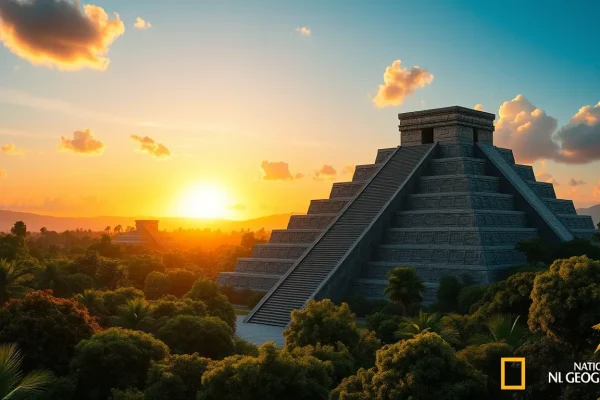
Maya Archaeoastronomy: How Architecture and the Sky Were Connected
An comprehensive examination of the archaeological evidence linking ancient Maya architecture to celestial cycles, including solar, lunar, and Venus alignments.


An comprehensive examination of the archaeological evidence linking ancient Maya architecture to celestial cycles, including solar, lunar, and Venus alignments.
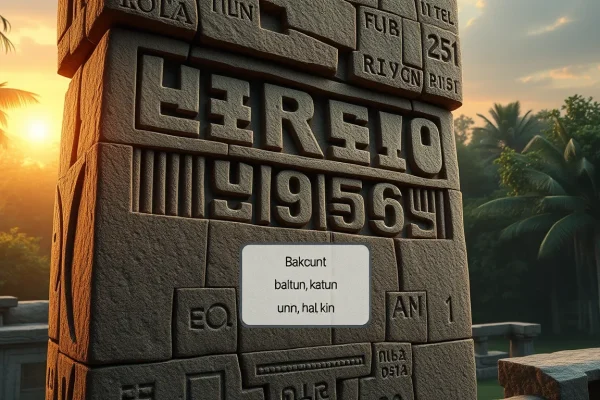
Reading a Maya calendar date requires understanding multiple interlocking timekeeping systems, including the sacred Tzolk’in, the solar Haab, and the absolute Long Count. This guide explains the vigesimal mathematics and archaeological evidence behind deciphering these ancient inscriptions.
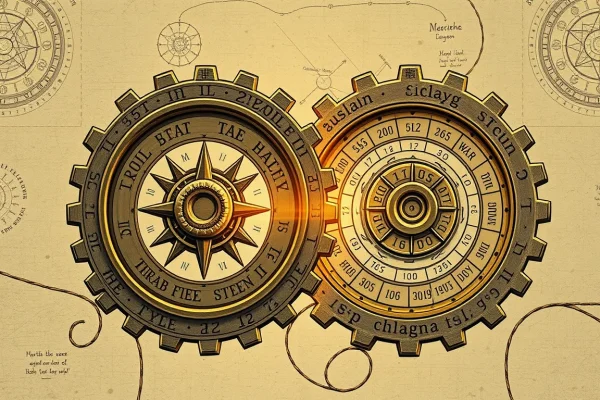
The Maya calendar system is not a single entity but a stack of interlocking cycles. The 260-day Tzolk’in and 365-day Haab synchronize to create the 52-year Calendar Round, a fundamental unit of Mesoamerican chronology used for agriculture, ritual, and recording history.
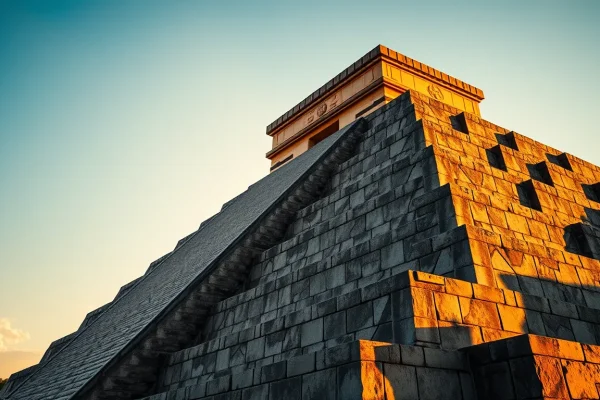
Recent archaeological studies challenge the popular belief that the serpent shadow at El Castillo occurs precisely on the equinox. New research suggests temporal patterns in light and shadow are more complex than previously understood, involving specific architectural orientations and acoustic phenomena.
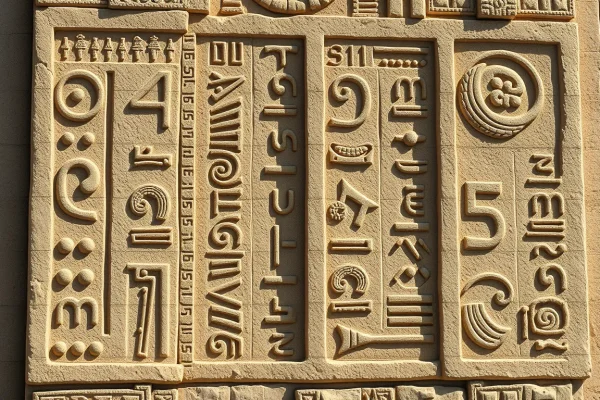
An authoritative examination of the Maya numeral system, exploring its vigesimal base-20 structure, the invention of zero, and its critical role in calendar calculations and astronomy.