Skip to content
Maya Skies | Maya Astronomy, Calendars & Archaeology
  • Home
  • Tools
    • Calendar Round Calculator
    • Chichen Itza Architecture Explorer
    • Long Count Calculator
    • Maya Calendar Converter
    • Maya Number Converter
    • Maya Numerals Chart
    • Maya Time Units Calculator
    • Venus Cycle Explorer
  • Topics
    • Archaeology
    • Calendar Systems
    • Chichén Itzá
    • Digital Heritage
    • Math & Writing
    • Maya Astronomy
    • Maya Cosmology
  • About Us
    • Project History
    • Research Standards
    • Editorial Policy
    • Corrections Policy
    • Image Credits

Recent Posts

  • Understanding Maya E-Group Architecture: Early Observatories or Ritual Spaces?
  • Why the Haab’ Had No Leap Year: Solar Drift and Maya Timekeeping
  • The Pleiades in Maya Culture: Agricultural Markers and Ritual Significance
  • What Is the GMT Correlation? Understanding Maya Calendar Date Conversion
  • Who Are the Lords of the Night? Maya Time Deities Explained

Recent Comments

No comments to show.

Archives

  • September 2026
  • August 2026

Categories

  • Archaeology
  • Calendar Systems
  • Chichén Itzá
  • Digital Heritage
  • Math & Writing
  • Maya Astronomy
  • Maya Cosmology

Husai Anguiano Tamayo

The Haab’: Understanding the Ancient Maya Solar Calendar

The Haab’: Understanding the Ancient Maya Solar Calendar

August 14, 2026 | Calendar Systems | Husai Anguiano Tamayo

The Haab’ is a 365-day solar calendar used by the Maya and other Mesoamerican cultures. Comprising 18 months of 20 days plus a short period known as Wayeb’, it served practical and ceremonial purposes alongside the sacred Tzolk’in.

Read More →
Understanding Maya Time: Baktun, Katun, Tun, Uinal, and Kin

Understanding Maya Time: Baktun, Katun, Tun, Uinal, and Kin

August 14, 2026 | Calendar Systems | Husai Anguiano Tamayo

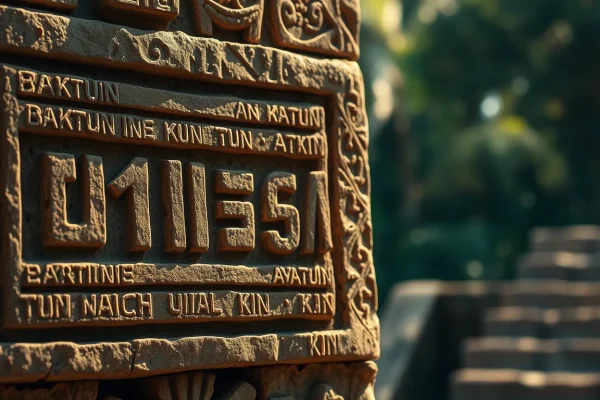
The Maya Long Count calendar utilizes a modified vigesimal system to track linear time through specific units: the Kin, Uinal, Tun, Katun, and Baktun. These periods allowed ancient scribes to record history over vast epochs, anchoring events to a mythical creation date in 3114 BCE.

Read More →
How 3D Archaeology Helps Preserve Cultural Heritage Through Digital Technologies

How 3D Archaeology Helps Preserve Cultural Heritage Through Digital Technologies

August 13, 2026 | Archaeology | Husai Anguiano Tamayo

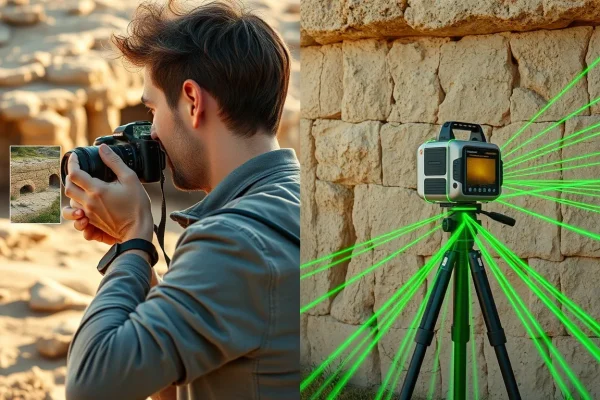
3D archaeology utilizes advanced digital technologies like photogrammetry and LiDAR to document, preserve, and reconstruct endangered cultural heritage sites. This approach minimizes invasive excavation while creating permanent digital records against threats such as war and climate change.

Read More →
Photogrammetry vs. Laser Scanning in Archaeology: A Digital Heritage Comparison

Photogrammetry vs. Laser Scanning in Archaeology: A Digital Heritage Comparison

August 13, 2026 | Archaeology | Husai Anguiano Tamayo

This article compares Structure from Motion (SfM) photogrammetry and Terrestrial Laser Scanning (TLS) for archaeological documentation. It evaluates accuracy, cost, and workflow based on case studies from cultural heritage sites.

Read More →
The Zenith Passage of the Sun: Astronomical Phenomenon and Architectural Alignment

The Zenith Passage of the Sun: Astronomical Phenomenon and Architectural Alignment

August 12, 2026 | Maya Astronomy | Husai Anguiano Tamayo

The zenith passage of the sun is an astronomical event occurring in the tropical zone where the sun reaches the point directly overhead at noon. This phenomenon results in the disappearance of shadows and held significant cultural and architectural importance for ancient civilizations.

Read More →
The Venus Platform at Chichén Itzá: Architecture, Astronomy, and Ritual

The Venus Platform at Chichén Itzá: Architecture, Astronomy, and Ritual

August 12, 2026 | Archaeology | Husai Anguiano Tamayo

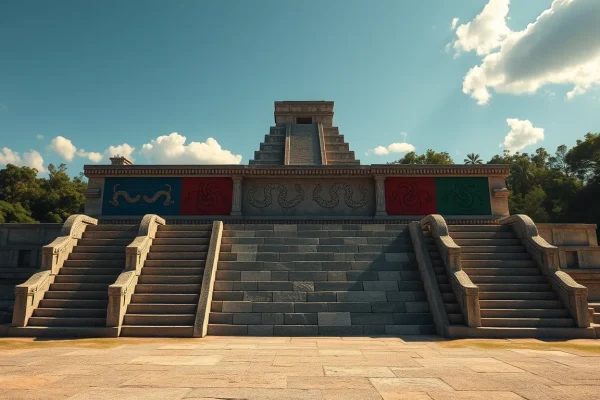
The Platform of Venus at Chichén Itzá is a square ceremonial structure dedicated to the planet Venus, featuring intricate bas-reliefs and astronomical alignments. Located near the Sacred Cenote, it served as a podium for rites linked to the Morning Star and warfare symbolism.

Read More →
Functions and Symbolism of El Castillo at Chichén Itzá

Functions and Symbolism of El Castillo at Chichén Itzá

August 11, 2026 | Chichén Itzá | Husai Anguiano Tamayo

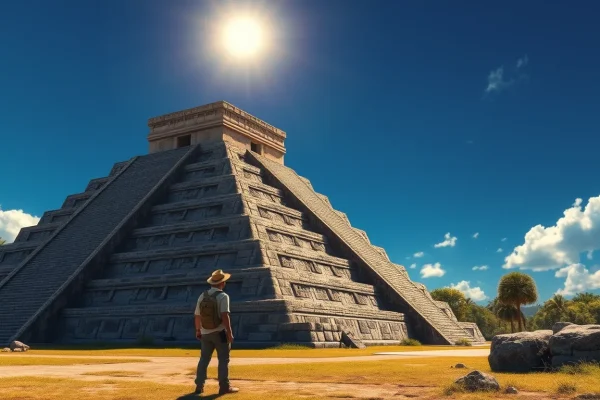
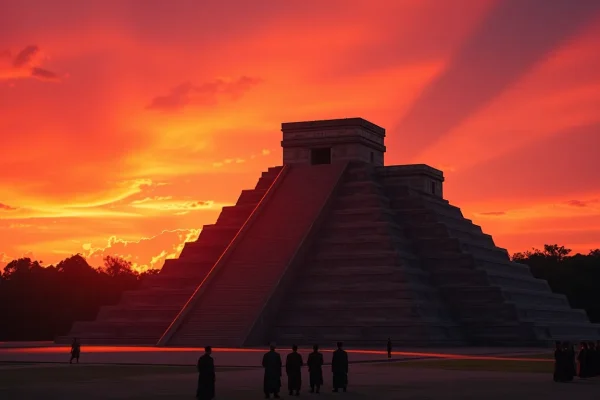
El Castillo, also known as the Temple of Kukulcan, served as a multifunctional religious temple, astronomical calendar, and political symbol at Chichén Itzá. Archaeological evidence indicates it housed sacrificial rituals and possibly royal burials within its substructure.

Read More →
El Caracol at Chichén Itzá: The Ancient Maya Observatory

El Caracol at Chichén Itzá: The Ancient Maya Observatory

August 11, 2026 | Chichén Itzá | Husai Anguiano Tamayo

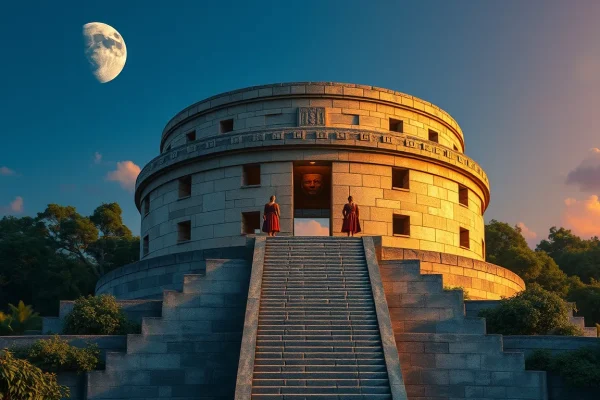
El Caracol is a unique circular structure at Chichén Itzá, widely recognized as an ancient Maya observatory. Its architecture aligns with celestial events, particularly the motion of Venus, guiding ritual and agricultural cycles.

Read More →
Chichén Itzá: Architecture, Astronomy and the Maya World

Chichén Itzá: Architecture, Astronomy and the Maya World

August 11, 2026 | Chichén Itzá | Husai Anguiano Tamayo

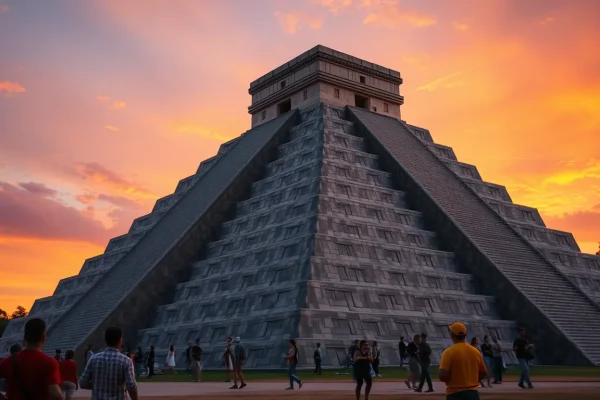
An comprehensive archaeological examination of Chichén Itzá’s architectural alignments, astronomical significance, and integration within the broader Maya cosmological framework.

Read More →
Archaeological Reconstruction: Evidence vs Imagination

Archaeological Reconstruction: Evidence vs Imagination

August 10, 2026 | Archaeology | Husai Anguiano Tamayo

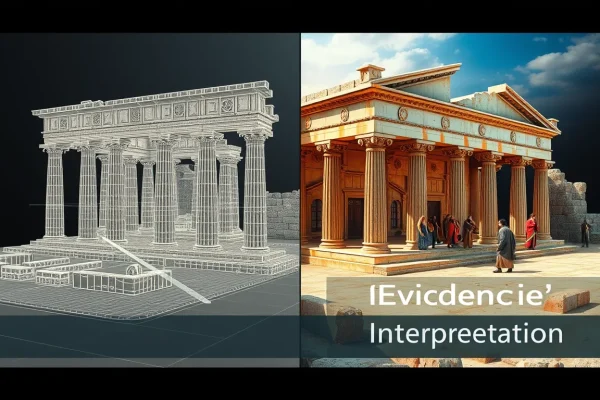
Archaeological reconstruction bridges the gap between fragmented data and public understanding, yet it balances precariously between scientific evidence and artistic imagination. This article explores the methodology, ethics, and digital tools used to visualize the past without misleading audiences about uncertainty.

Read More →

Posts pagination

← Previous 1 … 3 4 5 6 7 Next →

About This Site

Reading the Sky, Time, and Architecture of the Maya

Recent Articles

  • Understanding Maya E-Group Architecture: Early Observatories or Ritual Spaces?
  • Why the Haab’ Had No Leap Year: Solar Drift and Maya Timekeeping
  • The Pleiades in Maya Culture: Agricultural Markers and Ritual Significance
  • What Is the GMT Correlation? Understanding Maya Calendar Date Conversion
  • Who Are the Lords of the Night? Maya Time Deities Explained
  • Home
  • Privacy Policy
  • About Us
  • Contact Us
  • Disclaimer
  • Terms of Service
© 2026 Maya Skies | Maya Astronomy, Calendars & Archaeology. All rights reserved. Powered by WordPress