
Short Answer
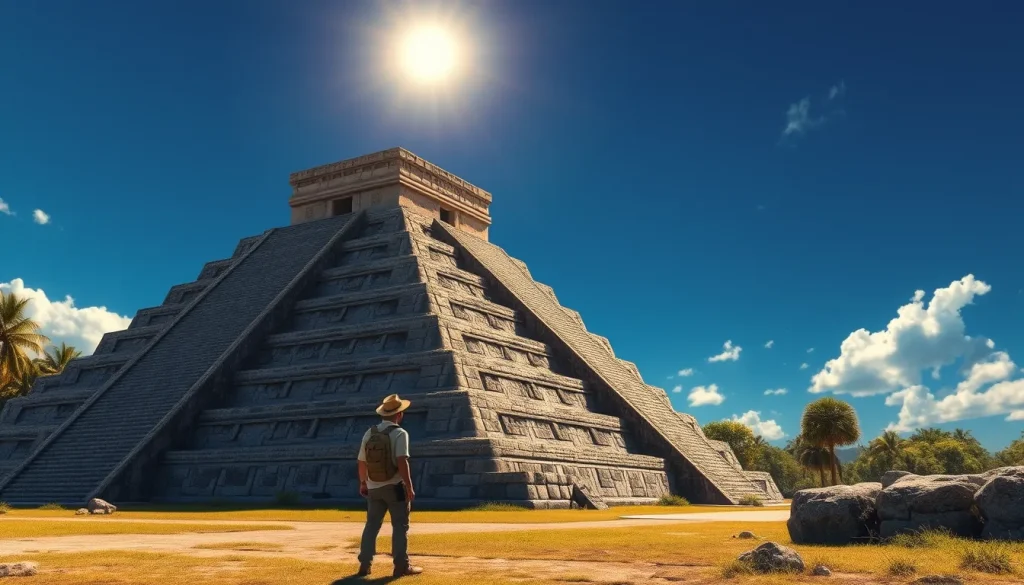
The zenith passage of the sun is a distinctive astronomical phenomenon observable only within the tropical zone of the Earth, defined as the region between the Tropic of Cancer and the Tropic of Capricorn. Unlike temperate regions where the sun always appears at an angle even at noon, observers in the tropics experience days when the sun reaches the zenith, the point vertically above the observer. During this event, vertical objects cast no shadows, a striking visual effect that has captivated astronomers and archaeologists alike. This occurrence is not merely a curiosity of celestial mechanics but a event that influenced the planning and orientation of ancient architectures, particularly within Mesoamerican cultures.
Main Explanation
To understand the zenith passage, one must consider the geometry of the Earth’s orbit and its axial tilt. The Earth rotates on an axis tilted approximately 23.5 degrees relative to its orbital plane around the sun. As the Earth orbits, the subsolar point—the spot where the sun is directly overhead—migrates between the Tropic of Cancer (23.5° North) and the Tropic of Capricorn (23.5° South). The zenith passage happens on two specific days of the year for any given location within this tropical band, except at the tropics themselves where it occurs once during the solstices. At the equator, these passages coincide with the equinoxes.
The mechanics of this event are governed by the declination of the sun matching the latitude of the observer. When the sun’s declination equals the observer’s latitude, the sun culminates at the zenith at local apparent noon. This results in the unique phenomenon of shadowlessness. For ancient peoples, particularly those in Mesoamerica, the disappearance of shadows was not just a physical oddity but often assumed a sacred significance. The days when this happens depend upon the latitude of the place of observation, creating a calendar of solar events specific to each locality.
In the context of archaeoastronomy, the zenith passage is critical for understanding how ancient societies tracked time and aligned their structures. The ability to predict these days required sophisticated observation and record-keeping. The sun’s path across the sky continually changes throughout the year, high in the summer and low in the winter, caused by the earth’s axis of rotation being tilted. When the sun passes overhead, the shadows disappear, marking a moment of cosmic balance that was frequently encoded into stone.
Evidence & Sources
Archaeological and archaeoastronomical research provides substantial evidence for the importance of the zenith passage. Scholarly work by Amelia Carolina Sparavigna has highlighted the role of this astronomical event in the planning of architectures within the tropical zone. Her research, published in journals such as Mechanics, Materials Science & Engineering Journal, demonstrates that summer and winter solstices and equinoxes had great importance in the cultures of peoples all over the world, but in the tropical zone, the zenith passage was another relevant event considered in the planning of monuments.
Specific sites provide tangible proof of this alignment. At Chichén Itzá, a major Maya archaeological site, the observation of the sun’s path was integral to the site’s design. According to records from the Exploratorium’s ancient observatories project, the changes in the sun’s path have a simple cause: the earth’s axis of rotation is tilted. The longest day of the year is called the summer solstice, and the shortest is the winter solstice. However, between these extremes lie the zenith passages. Architectural features such as vertical shafts in temples or specific orientations of pyramids often correlate with these dates. The zenith passage happens on two days in the year, and these days depend upon the latitude of the place of observation, allowing archaeologists to date structures or understand their ritual function based on their alignment.
Furthermore, historical geography notes that Eratosthenes’ early work on geography relied on understanding solar angles, though the specific tropical phenomenon of the zenith passage was uniquely accessible to cultures within the band between the Tropics of Cancer and Capricorn. Only in this zone can we see the sun reaching the zenith. This geographical constraint means that the cultural emphasis on this event is distinct to tropical civilizations, distinguishing their cosmological frameworks from those in higher latitudes.
Deep Dive Analysis
Module A: Definition and Conceptual Framework
Definition
The zenith passage of the sun is defined as the moment when the sun crosses the meridian at the zenith point, directly overhead (90 degrees altitude). This event is exclusive to the tropical zone of the Earth, which is located in between the Tropic of Cancer and the Tropic of Capricorn. It is a concept central to archaeoastronomy, linking celestial mechanics with terrestrial observation.
How it works
The phenomenon occurs due to the tilt of the Earth’s axis. As the Earth orbits the sun, the subsolar point moves north and south. When this point crosses the latitude of an observer, the sun is at the zenith at noon. This happens twice a year for most tropical locations. At the Tropic of Cancer, the zenith passage happens on the day of the June solstice. At the Tropic of Capricorn, it occurs on the day of the December solstice. At the equator, the zenithal sun is observed on the two equinoxes.
Key components
Several components define this event: the observer’s latitude, the sun’s declination, and the local apparent noon. The zenith is the point of the celestial sphere which is vertically above the observer. The interaction between these components determines the exact dates of the passage. For example, a site at 20 degrees North latitude will experience zenith passages when the sun’s declination is 20 degrees North, occurring once before and once after the June solstice.
Example
A prominent example is found in the Maya region. Chichén Itzá lies within the tropical zone. Throughout the year, the sun’s path across the sky continually changes. When it’s summer in the Northern Hemisphere, the North Pole is tilted toward the sun. However, the zenith passage offers a distinct marker separate from the solstices. In many Maya structures, light and shadow effects during these passages were utilized to signal agricultural cycles or ritual timings. The shadows disappear on these days, assuming a sacred significance for the people that live and lived within the tropics.
Historical evidence
Historical and architectural studies indicate that several examples exist of the role of this astronomic event in the architectures of the tropical zone. Sparavigna’s research notes that while solstices and equinoxes were widely considered in the planning of monuments, the zenith passage was also widely considered in the planning of monuments and other architectures in the tropics. This is evidenced by vertical alignments in temples and the orientation of plazas that frame the sun at its highest point. The availability of this data in repositories such as Politecnico di Torino and Zenodo supports the academic consensus on these alignments.
Common misconceptions
A common misconception is that the zenith passage occurs everywhere on Earth. In reality, it is impossible to observe outside the tropics. Another misconception is that it happens only once a year; for most locations within the tropics, it occurs twice. Additionally, some modern interpretations may attribute unsupported spiritual claims to the event. While the days when this happens assume a sacred significance for the people that live and lived within the tropics, archaeological evidence must distinguish between historical Maya beliefs and modern interpretations. The physical evidence of shadowlessness is verifiable, whereas specific ritual meanings are inferred from context and iconography.
FAQ
Does the zenith passage happen everywhere on Earth?
No, the zenith passage only occurs within the tropical zone, between the Tropic of Cancer and the Tropic of Capricorn. Outside this zone, the sun never reaches the point directly overhead.
How many times a year does the zenith passage occur?
For most locations within the tropics, it happens twice a year. At the Tropics of Cancer and Capricorn, it happens once on the solstices, and at the equator, it happens on the equinoxes.
Why is the zenith passage important in archaeology?
It is important because ancient architectures, particularly in Mesoamerica, were often aligned to mark this event. The disappearance of shadows held sacred significance and helped calibrate agricultural and ritual calendars.
Leave a Reply