Skip to content
Maya Skies | Maya Astronomy, Calendars & Archaeology
  • Home
  • Tools
    • Calendar Round Calculator
    • Chichen Itza Architecture Explorer
    • Long Count Calculator
    • Maya Calendar Converter
    • Maya Number Converter
    • Maya Numerals Chart
    • Maya Time Units Calculator
    • Venus Cycle Explorer
  • Topics
    • Archaeology
    • Calendar Systems
    • Chichén Itzá
    • Digital Heritage
    • Math & Writing
    • Maya Astronomy
    • Maya Cosmology
  • About Us
    • Project History
    • Research Standards
    • Editorial Policy
    • Corrections Policy
    • Image Credits

Recent Posts

  • Maya Records of Comets and Meteors: Evidence in Codices and Murals
  • Maya Vigesimal Number System and Astronomical Calculations
  • Astronomical Alignments of El Caracol Observatory at Chichén Itzá
  • Evaluating the Accuracy of Digital Maya Calendar Converters
  • Best Practices for 3D Reconstruction of Maya Sites

Recent Comments

No comments to show.

Archives

  • November 2026
  • October 2026
  • September 2026
  • August 2026

Categories

  • Archaeology
  • Calendar Systems
  • Chichén Itzá
  • Digital Heritage
  • Math & Writing
  • Maya Astronomy
  • Maya Cosmology

Maya Astronomy

Guides on celestial observations and planetary alignments recorded by Maya scientists.

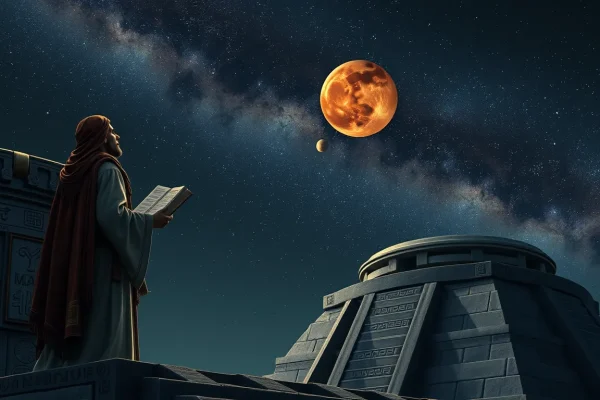
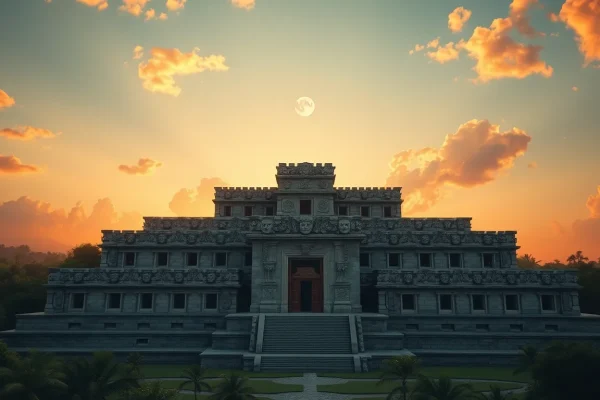
The Role of Jupiter in Maya Astronomy and Mythology

The Role of Jupiter in Maya Astronomy and Mythology

September 22, 2026 | Maya Astronomy | Husai Anguiano Tamayo

Explore the significance of Jupiter within Classic Maya cosmology, examining archaeological evidence, observational cycles, and its distinction from the more prominently documented Venus. This article analyzes planetary tracking methods and architectural alignments.

Read More →
Astronomical Alignments of the Governor’s Palace at Uxmal

Astronomical Alignments of the Governor’s Palace at Uxmal

September 20, 2026 | Maya Astronomy | Husai Anguiano Tamayo

The Governor’s Palace at Uxmal is architecturally aligned to the extreme rising position of Venus as the Morning Star. Built around AD 900 by Lord Chac, the structure incorporates precise astronomical data into its facade elements and inscriptions.

Read More →
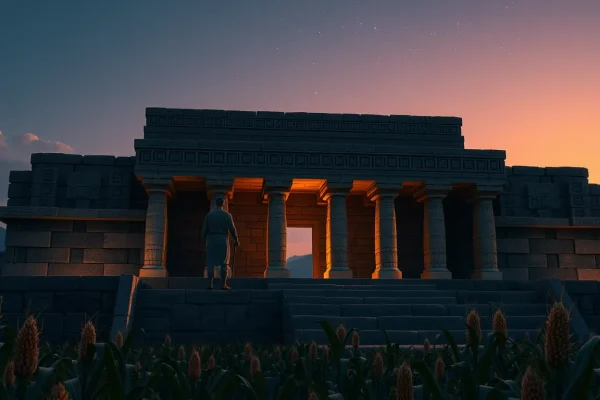
The Pleiades and Maya Agriculture: Tracking the Zenith Passage

The Pleiades and Maya Agriculture: Tracking the Zenith Passage

September 18, 2026 | Maya Astronomy | Husai Anguiano Tamayo

Explore the intersection of Maya astronomy and agriculture through the observation of the Pleiades and solar zenith passages. This article examines archaeological evidence and celestial cycles used to determine planting seasons in ancient Mesoamerica.

Read More →
Did the Maya Track Mars and Jupiter? Astronomical Evidence from Codices and Inscriptions

Did the Maya Track Mars and Jupiter? Astronomical Evidence from Codices and Inscriptions

September 18, 2026 | Maya Astronomy | Husai Anguiano Tamayo

Archaeological evidence confirms the Ancient Maya tracked Mars with high precision using the Dresden Codex, while Jupiter tracking is inferred through planetary station records. This analysis examines the synodic cycles, codex tables, and archaeoastronomical data supporting Maya planetary science.

Read More →
The Pleiades in Maya Culture: Agricultural Markers and Ritual Significance

The Pleiades in Maya Culture: Agricultural Markers and Ritual Significance

September 14, 2026 | Maya Astronomy | Husai Anguiano Tamayo

The Pleiades star cluster served as a critical celestial marker for the ancient Maya, signaling agricultural cycles and ritual events. Archaeological and ethnohistorical evidence highlights the heliacal rising of the cluster as a key indicator for planting seasons and cosmological alignment.

Read More →
How Did the Venus Cycle Influence Maya Warfare and Ritual Timing?

How Did the Venus Cycle Influence Maya Warfare and Ritual Timing?

September 13, 2026 | Maya Astronomy | Husai Anguiano Tamayo

The Maya civilization closely monitored the Venus cycle, utilizing its heliacal risings to schedule warfare and ritual sacrifices. Archaeological evidence links the planet’s appearances to specific glyphs and military campaigns across the Classic period.

Read More →

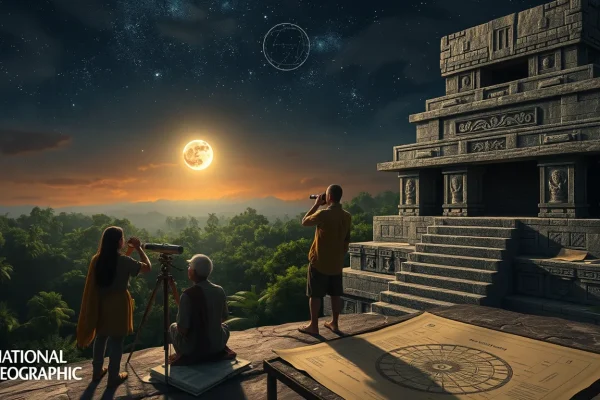
Maya Astronomy: How the Maya Observed the Sun, Moon, Planets and Stars

September 5, 2026 | Archaeology, Calendar Systems, Maya Astronomy | Husai Anguiano Tamayo

An comprehensive examination of Maya astronomical practices, detailing their precise observations of celestial bodies, architectural alignments, and calendar systems used for agriculture and ritual.

Read More →
Why Was Venus Important to the Maya? Astronomical and Cosmological Significance

Why Was Venus Important to the Maya? Astronomical and Cosmological Significance

September 2, 2026 | Maya Astronomy | Husai Anguiano Tamayo

Venus was a central celestial body in Maya cosmology, influencing agriculture, warfare, and ritual scheduling. Its dual manifestation as Morning and Evening Star dictated divine attributes and societal actions across Mesoamerica.

Read More →
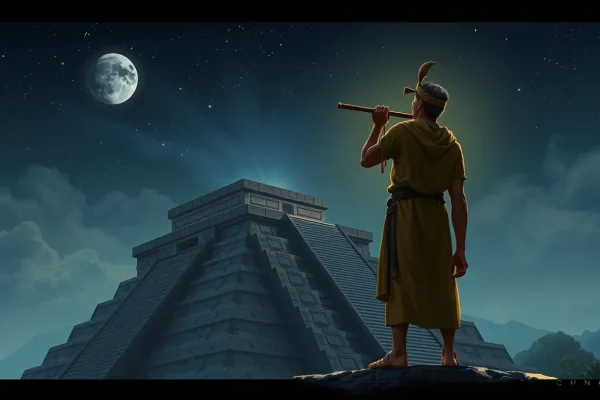
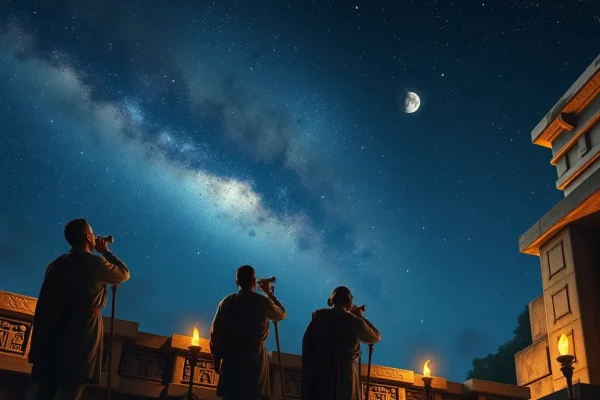
How Did the Maya Observe the Sky Without Telescopes?

How Did the Maya Observe the Sky Without Telescopes?

August 28, 2026 | Maya Astronomy | Husai Anguiano Tamayo

The ancient Maya achieved staggering astronomical precision using naked-eye observation, architectural alignments, and advanced mathematics. Without lenses or metal instruments, they tracked celestial cycles like Venus and the solar year with accuracy rivaling modern calculations.

Read More →
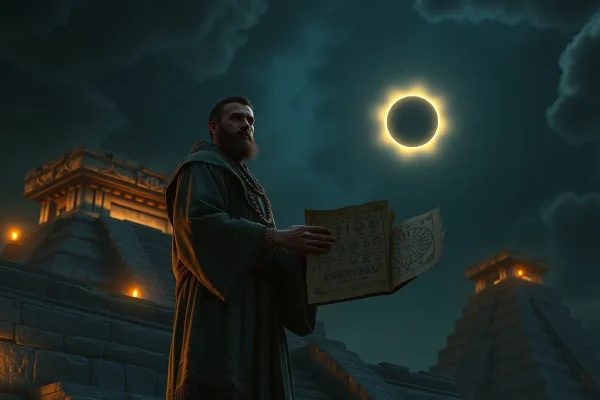
Did the Maya Predict Solar Eclipses? Archaeological Evidence and Calendar Mechanics

Did the Maya Predict Solar Eclipses? Archaeological Evidence and Calendar Mechanics

August 21, 2026 | Maya Astronomy | Husai Anguiano Tamayo

Recent archaeological studies confirm the Ancient Maya predicted solar eclipses with impressive accuracy using the Dresden Codex. New research reveals the 260-day ritual calendar and a 405-month lunar table were key to their predictive mechanisms.

Read More →

Posts pagination

← Previous 1 2 3 4 5 Next →

About This Site

Reading the Sky, Time, and Architecture of the Maya

Recent Articles

  • Maya Records of Comets and Meteors: Evidence in Codices and Murals
  • Maya Vigesimal Number System and Astronomical Calculations
  • Astronomical Alignments of El Caracol Observatory at Chichén Itzá
  • Evaluating the Accuracy of Digital Maya Calendar Converters
  • Best Practices for 3D Reconstruction of Maya Sites
  • Home
  • Privacy Policy
  • About Us
  • Contact Us
  • Disclaimer
  • Terms of Service
© 2026 Maya Skies | Maya Astronomy, Calendars & Archaeology. All rights reserved. Powered by WordPress