Skip to content
Maya Skies | Maya Astronomy, Calendars & Archaeology
  • Home
  • Tools
    • Calendar Round Calculator
    • Chichen Itza Architecture Explorer
    • Long Count Calculator
    • Maya Calendar Converter
    • Maya Number Converter
    • Maya Numerals Chart
    • Maya Time Units Calculator
    • Venus Cycle Explorer
  • Topics
    • Archaeology
    • Calendar Systems
    • Chichén Itzá
    • Digital Heritage
    • Math & Writing
    • Maya Astronomy
    • Maya Cosmology
  • About Us
    • Project History
    • Research Standards
    • Editorial Policy
    • Corrections Policy
    • Image Credits

Recent Posts

  • Understanding Maya E-Group Architecture: Early Observatories or Ritual Spaces?
  • Why the Haab’ Had No Leap Year: Solar Drift and Maya Timekeeping
  • The Pleiades in Maya Culture: Agricultural Markers and Ritual Significance
  • What Is the GMT Correlation? Understanding Maya Calendar Date Conversion
  • Who Are the Lords of the Night? Maya Time Deities Explained

Recent Comments

No comments to show.

Archives

  • September 2026
  • August 2026

Categories

  • Archaeology
  • Calendar Systems
  • Chichén Itzá
  • Digital Heritage
  • Math & Writing
  • Maya Astronomy
  • Maya Cosmology

Husai Anguiano Tamayo

What Is Digital Archaeology? Definition, Methods, and Impact

What Is Digital Archaeology? Definition, Methods, and Impact

September 3, 2026 | Archaeology | Husai Anguiano Tamayo

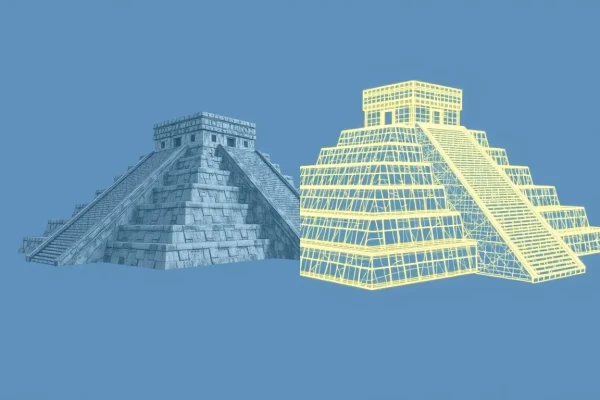
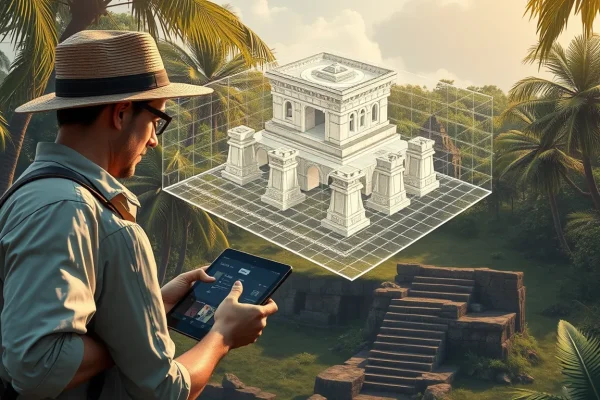
Digital archaeology is the application of information technology and digital media to archaeological research, encompassing tools like 3D modeling, GIS, and virtual reality. It serves as both a pervasive practice and a unique subdiscipline that reconfigures how data is collected, analyzed, and preserved without destroying sites.
Read More →
Why Was Venus Important to the Maya? Astronomical and Cosmological Significance

Why Was Venus Important to the Maya? Astronomical and Cosmological Significance

September 2, 2026 | Maya Astronomy | Husai Anguiano Tamayo

Venus was a central celestial body in Maya cosmology, influencing agriculture, warfare, and ritual scheduling. Its dual manifestation as Morning and Evening Star dictated divine attributes and societal actions across Mesoamerica.

Read More →
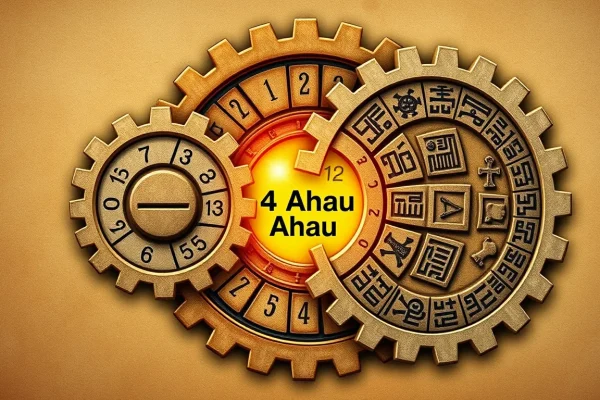
The Tzolk’in: The Sacred 260-Day Calendar of the Maya

The Tzolk’in: The Sacred 260-Day Calendar of the Maya

September 1, 2026 | Calendar Systems | Husai Anguiano Tamayo

The Tzolk’in is the foundational 260-day sacred calendar of the Maya civilization, combining 13 numbers and 20 day names to govern ritual life, divination, and personal identity. Still in use today, it represents a sophisticated interlocking timekeeping system distinct from the solar year.

Read More →
Digital Preservation of Chichén Itzá: Methodologies and Archives

Digital Preservation of Chichén Itzá: Methodologies and Archives

August 30, 2026 | Chichén Itzá | Husai Anguiano Tamayo

Chichén Itzá has undergone extensive digital documentation through initiatives like the Chichen Itza 3D Atlas and Open Heritage 3D. These projects utilize LiDAR and photogrammetry to create high-resolution digital twins for research and conservation.

Read More →
The Maya Long Count Calendar: How It Works

The Maya Long Count Calendar: How It Works

August 29, 2026 | Archaeology | Husai Anguiano Tamayo

An comprehensive archaeological and mathematical analysis of the Maya Long Count calendar, detailing its vigesimal system, creation date, and function in Mesoamerican chronology.

Read More →
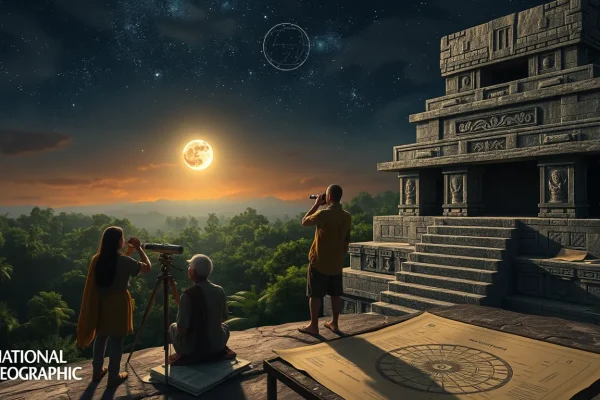
How Did the Maya Observe the Sky Without Telescopes?

How Did the Maya Observe the Sky Without Telescopes?

August 28, 2026 | Maya Astronomy | Husai Anguiano Tamayo

The ancient Maya achieved staggering astronomical precision using naked-eye observation, architectural alignments, and advanced mathematics. Without lenses or metal instruments, they tracked celestial cycles like Venus and the solar year with accuracy rivaling modern calculations.

Read More →
How Did Maya Numbers Work? Understanding the Vigesimal System

How Did Maya Numbers Work? Understanding the Vigesimal System

August 28, 2026 | Math & Writing | Husai Anguiano Tamayo

The ancient Maya developed a sophisticated vigesimal (base-20) numeral system using only three symbols: a dot, a bar, and a shell. This positional system included the concept of zero independently and was used primarily for astronomy and calendar calculations.

Read More →
El Castillo at Chichén Itzá: Architecture, Calendar and Astronomy

El Castillo at Chichén Itzá: Architecture, Calendar and Astronomy

August 27, 2026 | Archaeology | Husai Anguiano Tamayo

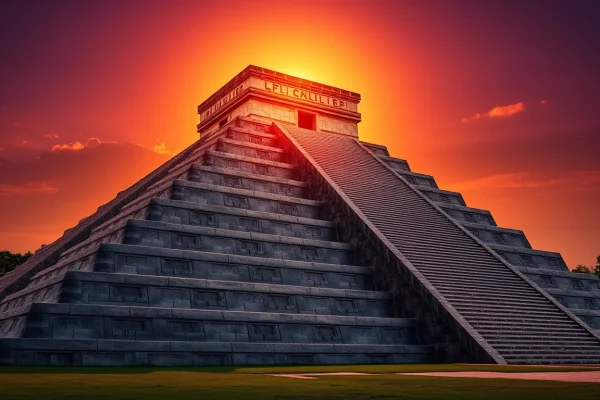
A comprehensive archaeological and archaeoastronomical analysis of El Castillo, the Temple of Kukulcan, focusing on its structural design, calendrical functions, and the equinox light phenomenon.

Read More →
Celestial Cycles and Cultivated Fields: How Astronomy Influenced Maya Agriculture

Celestial Cycles and Cultivated Fields: How Astronomy Influenced Maya Agriculture

August 26, 2026 | Archaeology | Husai Anguiano Tamayo

Ancient Maya agriculture was deeply intertwined with astronomical observation, utilizing solar cycles and celestial events to dictate planting seasons and ritual calendars. Modern archaeological studies in Belize and collaborations with Indigenous descendants reveal the sophistication of this Traditional Ecological Knowledge.

Read More →
The 2012 Maya Calendar Phenomenon: Cycle Completion and Archaeological Reality

The 2012 Maya Calendar Phenomenon: Cycle Completion and Archaeological Reality

August 25, 2026 | Calendar Systems | Husai Anguiano Tamayo

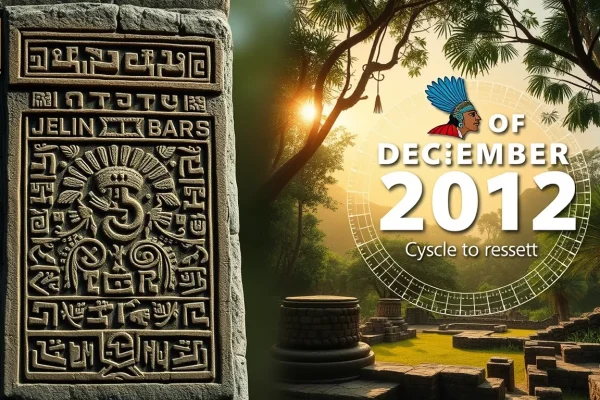
December 21, 2012, marked the completion of a 5,125-year cycle in the Maya Long Count calendar, not the end of the world. Archaeological evidence from sites like Tortuguero and Quiriguá confirms the date signified a era reset rather than an apocalypse, debunking modern myths through rigorous epigraphic analysis.

Read More →

Posts pagination

← Previous 1 2 3 4 … 7 Next →

About This Site

Reading the Sky, Time, and Architecture of the Maya

Recent Articles

  • Understanding Maya E-Group Architecture: Early Observatories or Ritual Spaces?
  • Why the Haab’ Had No Leap Year: Solar Drift and Maya Timekeeping
  • The Pleiades in Maya Culture: Agricultural Markers and Ritual Significance
  • What Is the GMT Correlation? Understanding Maya Calendar Date Conversion
  • Who Are the Lords of the Night? Maya Time Deities Explained
  • Home
  • Privacy Policy
  • About Us
  • Contact Us
  • Disclaimer
  • Terms of Service
© 2026 Maya Skies | Maya Astronomy, Calendars & Archaeology. All rights reserved. Powered by WordPress