Digital Heritage Technology and the Preservation of Maya Archaeoastronomy Sites

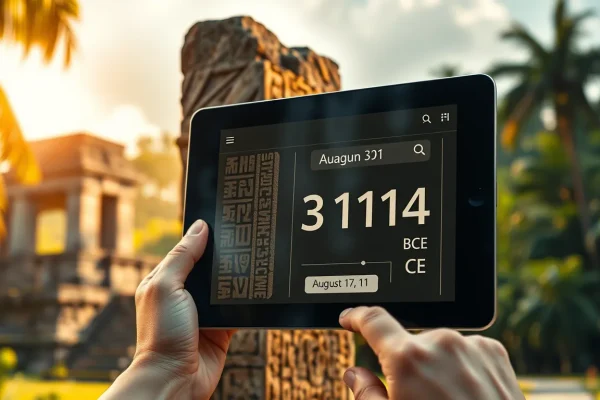
Digital heritage technologies such as LiDAR, 3D laser scanning, and Virtual Reality are revolutionizing the preservation and analysis of Maya archaeoastronomy sites. These tools allow researchers to document architectural remains non-invasively, simulate ancient celestial observations, and integrate local community knowledge into conservation efforts.

Read More →

Reading the Supplementary Series: A Guide to Lunar Glyphs

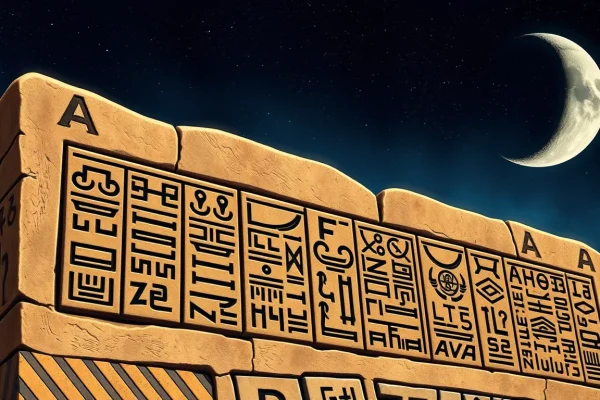
The Lunar Series is a critical component of the Maya Supplementary Series, providing precise astronomical data regarding the moon’s age and phase within Long Count inscriptions. This guide examines the six glyph blocks (A-F) used by Classic Period scribes to track synodic months and lunations. Understanding these glyphs reveals the sophistication of Maya calendrical astronomy and their integration of celestial observation into monumental history.

Read More →