
Short Answer
Introduction to El Castillo and Chichén Itzá
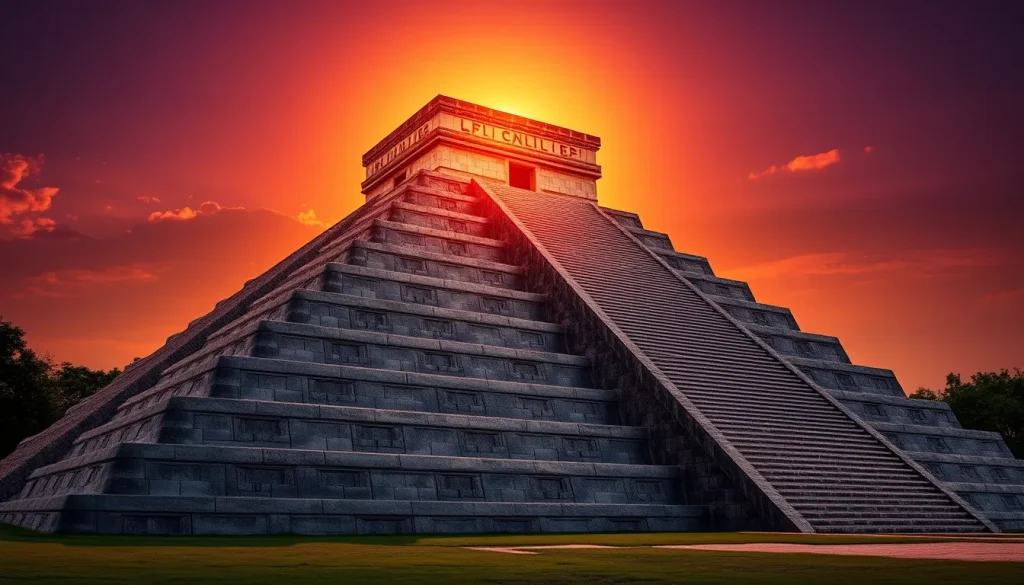
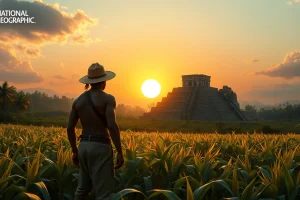
El Castillo, formally designated by archaeologists as Chichen Itza Structure 5B18, stands as the central monument within the archaeological site of Chichén Itzá in the Mexican state of Yucatán. Dominating the center of the ancient Maya city, this Mesoamerican step-pyramid serves as a testament to the sophisticated integration of architecture, astronomy, and cosmology achieved by the Maya civilization during the Terminal Classic period. Constructed between the 8th and 12th centuries CE, the temple building is more formally known as the Temple of Kukulcan, named after the feathered serpent deity central to Maya and Toltec mythology. The structure is not merely a tomb or a temple but a complex calendrical device embedded in stone, reflecting the Maya’s profound understanding of celestial cycles.
The pyramid looms at the center of the Great North Platform, acting as the focal point for ritual activity and public gathering. Its prominence within the site underscores its importance in the sociopolitical and religious life of the ancient city. As a UNESCO World Heritage Site, El Castillo represents a critical touchstone for understanding the cultural heritage of the Yucatán Peninsula. The structure embodies Mayan myth along with natural astronomical cycles, serving as a physical manifestation of the connection between the earthly realm and the celestial sphere. This article provides a detailed examination of the architecture, substructure, astronomical alignments, and digital heritage efforts surrounding this iconic monument.
Architectural Dimensions and Structural Design
The physical presence of El Castillo is defined by precise geometric proportions and monumental scale. The pyramid is constructed primarily of limestone, a material readily available in the Yucatán region. The structure rises to a height of 24 meters (79 feet) without the temple, and 30 meters (98 feet) including the temple structure at the summit. The temple itself measures approximately 6 meters (20 feet) in height. The base of the pyramid is square, measuring 55.3 meters (181 feet) on each side. This square footprint is oriented to the cardinal directions, although with slight deviations that align with astronomical phenomena rather than true north.
The pyramid consists of nine stepped terraces, which are divided by four stairways, one on each side. These stairways ascend from the base to the temple platform at the top. The northern stairway is the most significant in terms of astronomical alignment, as it is the site of the famous equinox shadow phenomenon. The slope of the pyramid varies depending on the measurement point; the edges have a slope of approximately 37°29’44”, while the sides have a steeper slope of 47º19’50”. These angles were not chosen arbitrarily but were calculated to facilitate the specific light and shadow effects observed during the equinoxes.
The architectural design reflects the Mesoamerican step-pyramid tradition, yet it incorporates unique features specific to the Chichén Itzá style, which shows influences from both the Puuc region and central Mexican highlands. The temple at the summit contains intricate carvings and columns, including representations of Chac Mool figures and jaguar thrones, indicating its use for high-status rituals. The construction technique involved laying stone blocks without mortar, relying on precise cutting and gravity to maintain structural integrity over centuries.
The Hidden Substructure: Archaeological Excavations
Beneath the visible exterior of El Castillo lies an earlier, smaller pyramid, a fact confirmed by archaeological excavations and modern remote sensing techniques. This substructure is concealed within the current one, suggesting that the monument was built in phases, a common practice in Mesoamerican architecture where new structures were often erected over older sacred sites to legitimize new rulers or mark new calendrical cycles. The existence of this inner pyramid was first suspected in the early 20th century and has been the subject of ongoing investigation.
Recent studies, such as the 2025 reexamination of the substructure inside the Castillo by researchers from the Cultural Heritage Engineering Initiative and the National Institute of Anthropology and History (INAH), have utilized advanced photogrammetry and remote sensing to map the interior without invasive excavation. These efforts aim to preserve the structural integrity of the monument while uncovering the dimensions and condition of the inner temple. The substructure provides critical data regarding the construction timeline and the evolution of religious practices at Chichén Itzá.
Archaeologists have identified that the earlier pyramid dates to an earlier phase of the site’s occupation, potentially preceding the main construction phase of the 8th to 12th centuries CE. The discovery of offerings and ritual objects within the substructure offers insights into the dedicatory practices of the Maya. Understanding the relationship between the outer shell and the inner core is essential for comprehending the full historical narrative of the site. The substructure is not merely a foundation but a sacred entity in its own right, encapsulated within the newer monument.
Astronomical Orientations and Solstice Alignments
The orientation of El Castillo is one of its most scientifically significant features. The pyramid is not aligned strictly to magnetic north but is rotated slightly to align with specific astronomical events. Research indicates that a line across the pyramid’s base coincides with the orientation of the summer-winter solstice. This alignment demonstrates that the builders possessed advanced knowledge of solar movements and incorporated this knowledge directly into the foundational layout of the structure.
The four stairways correspond to the cardinal directions, yet the precision of the alignment suggests a focus on the solar cycle. The positioning allows the structure to function as a massive sundial or calendar marker. During the solstices, the shadows cast by the pyramid’s edges mark specific points on the surrounding plaza, which may have been used to track the progression of the solar year. This solar tracking was crucial for agricultural planning and the scheduling of religious ceremonies.
Furthermore, the orientation aligns with the setting sun during the equinoxes, facilitating the famous light and shadow effect. The architectural precision required to achieve these alignments implies the presence of specialized astronomers and surveyors within the Maya society. The integration of astronomy into architecture at Chichén Itzá is not unique to El Castillo but is most perfectly realized in this structure. The building serves as a static observer of the sky, freezing celestial movements into stone.
The Equinox Phenomenon: The Descent of Kukulkán
The most renowned feature of El Castillo is the sunlight effect that occurs during the spring and fall equinoxes. As the sun sets on these dates, the play of light and shadow creates the appearance of a snake that gradually undulates down the stairway of the pyramid. This diamond-backed snake is composed of seven or so triangular shadows, cast by the stepped terraces of the pyramid. The sinking sun seems to give life to the sinuous shadows, which make a decidedly snaky pattern on their way down the stairs.
According to archaeological and mythological analysis, this phenomenon can be interpreted as the myth of the gods of the Heart of Sky coming to the Sovereign Plumed Serpent, as referenced in the Popol Vuh. The effect is viewable for a week before and after each equinox, drawing thousands of visitors who gather to witness the manifestation of the god Kukulkán. The seven triangles of light and shadow creep downwards along the northeast stairway, simulating the descent of the serpent deity from the heavens to the earth.
While popular culture often attributes mystical properties to this event, scientific analysis suggests it was an intentional architectural feature. The geometry used to build the pyramid was calculated to produce this specific effect. However, neither the event nor the kind of geometry used to build the pyramid is reported in the extant Mayan codices. The major question remains whether the light and shadow effect was intended or occurs accidentally, though various signs suggest the effect was deliberate. The precision of the seven triangles indicates a high level of planning and execution.
Calendrical Functions and Maya Timekeeping
El Castillo functions as a physical representation of the Maya calendar system. The structure’s design incorporates numbers significant to Maya timekeeping. The pyramid has four stairways, each with 91 steps. When the top platform is counted as one additional step, the total equals 365, corresponding to the number of days in the solar year (Haab’). This numerical integration reinforces the building’s role as a calendrical instrument.
The nine terraces of the pyramid may also hold calendrical significance, potentially relating to the nine levels of the underworld (Xibalba) or specific cycles within the Maya Long Count calendar. The division of the year into distinct seasons was vital for the agricultural society of the Maya, and El Castillo served as a public marker for these transitions. The equinoxes mark the beginning of the planting and harvesting seasons, making the light phenomenon a practical signal for the community as well as a religious event.
The integration of the 260-day sacred calendar (Tzolk’in) and the 365-day solar calendar (Haab’) is fundamental to Maya cosmology, and structures like El Castillo helped synchronize these cycles. The alignment of the pyramid allows observers to track the passage of time with considerable accuracy. This timekeeping function was essential for maintaining the social and religious order of the city. The architecture thus becomes a text that can be read to understand the flow of time.
Symbolism in Maya Cosmology and Myth
Beyond its astronomical and calendrical functions, El Castillo is deeply embedded in Maya cosmology. The pyramid represents the axis mundi, the center of the world where the heavens, earth, and underworld connect. The temple at the summit represents the celestial realm, while the base is grounded in the earthly plane. The descent of the serpent during the equinox symbolizes the connection between these realms, bringing divine energy to the earth.
The feathered serpent, Kukulkán, is a deity associated with wind, water, and fertility. His manifestation on the pyramid reinforces the importance of these elements for the survival of the city. The jaguar thrones found within the temple further symbolize power and the night sun, indicating the dual nature of the deity and the ruler. The architecture serves as a stage for the reenactment of cosmic myths, legitimizing the authority of the ruling class who claimed descent from these gods.
“When the sunlight bathes the Kukulcán Pyramid in the Mayan city of Chichén-Itzá during the equinox sunset, it casts seven triangles of light and shadow that creep downwards along its northeast stairway. According to the Popol Vuh, the effect can be interpreted as the myth of the gods of the Heart of Sky coming to the Sovereign Plumed Serpent.” — García-Salgado, Tomás. The Sunlight Effect of the Kukulcán Pyramid.
This mythological framework provided a cohesive worldview for the inhabitants of Chichén Itzá. The structure was not merely a building but a living entity within the cosmological landscape. Rituals performed at the temple were believed to maintain the balance of the universe. The symbolism extends to the materials used, with limestone representing the bones of the earth and the carvings depicting the flesh of the gods. Every element of the design contributes to this overarching narrative.
Digital Heritage: LiDAR and 3D Modeling
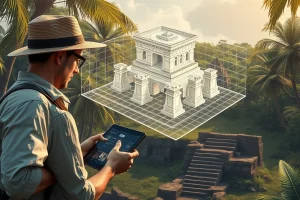
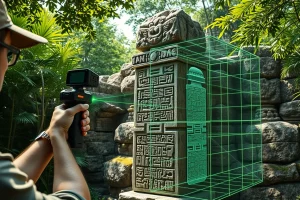
In the 21st century, the study of El Castillo has been revolutionized by digital heritage technologies. Researchers from institutions such as the University of California, San Diego, and the National Institute of Anthropology and History have employed LiDAR (Light Detection and Ranging), photogrammetry, and 3D modeling to analyze the structure. These non-invasive techniques allow archaeologists to examine the substructure and surface details without risking damage to the monument.
The 2025 reexamination of the substructure inside the Castillo utilized international archives of photogrammetry and remote sensing to create high-resolution models of the interior. These models help identify voids, construction phases, and potential conservation issues. Digital twins of the pyramid enable researchers to simulate light conditions and astronomical alignments with greater precision than was previously possible. This technology also aids in virtual preservation, ensuring that the data of the structure is preserved even if the physical monument degrades.
Furthermore, digital heritage initiatives make the site accessible to a global audience. Virtual reality experiences allow users to explore the temple and witness the equinox phenomenon regardless of their physical location. This democratization of access supports educational goals and fosters a deeper appreciation for Maya heritage. The integration of engineering and archaeology through these digital tools represents the future of cultural heritage management. It ensures that scientific inquiry continues without compromising the integrity of the site.
Conservation Challenges and UNESCO World Heritage Status
El Castillo is part of the Chichen Itza UNESCO World Heritage Site, located in the Tinum Municipality of Yucatán, Mexico. This designation provides international protection and recognition but also brings challenges related to tourism and environmental degradation. The accumulation of millions of visitors over decades has caused wear on the stone steps and surfaces. Conservation efforts focus on stabilizing the structure and managing visitor access to prevent further damage.
Environmental factors such as humidity, temperature fluctuations, and vegetation growth also pose threats to the limestone structure. Regular monitoring is required to address cracks and erosion. The balance between public access and preservation is a constant concern for site managers. Climbing the pyramid was once permitted but is now restricted to protect the monument and ensure visitor safety. These measures are essential to ensure that El Castillo remains standing for future generations.
The UNESCO status highlights the outstanding universal value of the site. It recognizes Chichén Itzá as a masterpiece of human creative genius and a testament to the Maya civilization. Conservation strategies involve collaboration between international experts and local authorities. The goal is to maintain the structural integrity while preserving the historical and cultural context of the monument. Sustainable tourism practices are being implemented to reduce the ecological footprint of visitors.
Conclusion: Integrating Architecture and Sky
El Castillo at Chichén Itzá stands as a monumental achievement in the history of human architecture and astronomy. Its design seamlessly integrates structural engineering with celestial observation, creating a building that functions as both a temple and a calendar. The precise alignments, the hidden substructure, and the equinox light phenomenon demonstrate the sophistication of Maya science and cosmology. Through modern digital heritage techniques, we continue to uncover new layers of understanding about this ancient wonder.
The pyramid remains a powerful symbol of the Maya legacy, bridging the past and the present. It invites continued study and appreciation, reminding us of the human capacity to harmonize built environments with the natural world. As archaeological methods evolve, El Castillo will undoubtedly yield further insights into the complex society that created it. It is a structure that demands to be read not just as stone, but as a record of time, sky, and belief.
FAQ
What is the significance of the seven triangles of light on El Castillo?
The seven triangles of light and shadow created during the equinox sunset simulate the descent of the feathered serpent god Kukulkán, representing a connection between the heavens and the earth.
Is there a pyramid inside El Castillo?
Yes, archaeological evidence and remote sensing confirm that an earlier, smaller pyramid structure is concealed beneath the current visible exterior of El Castillo.
When is the best time to see the equinox phenomenon?
The effect occurs during the spring and fall equinoxes and is viewable for approximately a week before and after each equinox date.
Leave a Reply