
Short Answer
Within the framework of Maya cosmology, caves were not merely geological formations but sacred portals connecting the human realm to the underworld, known as Xibalba. Archaeological evidence for Maya cave rituals is extensive, spanning from the Early Preclassic to the Postclassic period. These subterranean spaces served as venues for critical ceremonial activities, including offerings, pilgrimage, and political legitimization. Modern archaeological methodologies have shifted from simple artifact collection to contextual analysis, examining how cave use transformed over time in response to environmental and political pressures.
Main Explanation
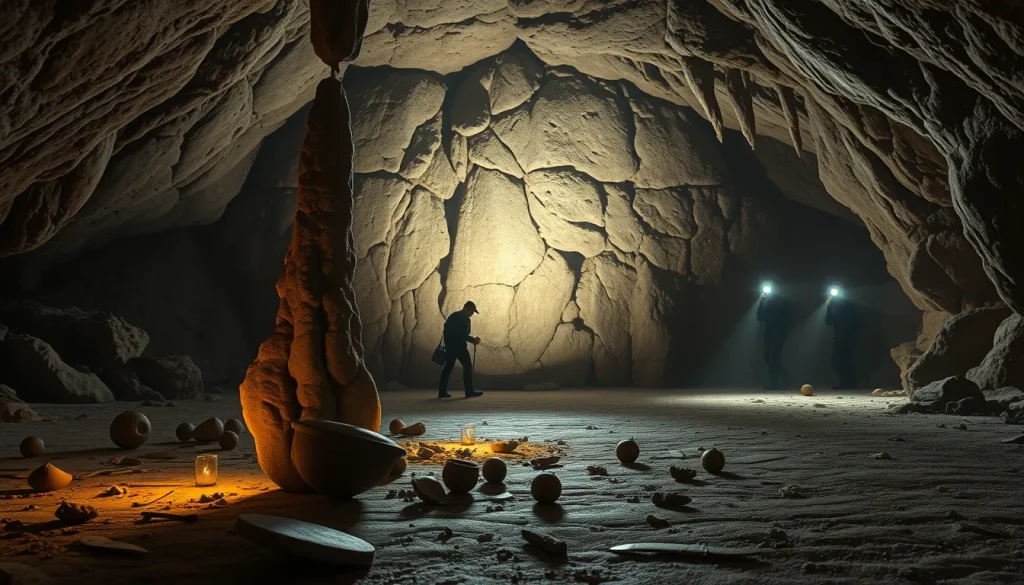
The study of Maya cave archaeology establishes that caves functioned as integral components of the sacred landscape. Evidence indicates that caves were utilized for rituals involving water deities, ancestors, and the maize god. The physical evidence recovered from these sites includes ceramic vessels, lithic tools, organic remains, and modifications to the cave environment itself, such as the breaking of stalactites and stalagmites (speleothems). These artifacts are not randomly distributed; they are found in specific chambers often associated with water sources or difficult-to-access passages, suggesting intentional deposition during ritual acts.
Research demonstrates that cave use was not static. During the Late Classic period, particularly in western Belize, there was an intensification of cave rituals. This surge correlates with paleoclimatic data indicating severe droughts. The archaeological record suggests that elites and commoners alike turned to cave sanctuaries to petition for rain and agricultural fertility. However, as droughts persisted, the efficacy of these rituals was questioned, potentially contributing to a loss of faith in traditional leadership structures. This intersection of environmental data and artifact distribution provides a robust framework for understanding the socio-political role of caves beyond purely spiritual interpretations.
Evidence & Sources
The primary evidence for Maya cave rituals derives from systematic excavations and survey projects conducted over the last four decades. Foundational work by J. E. Brady at Naj Tunich, Peten, Guatemala, established a basic paradigm for investigating ritual cave use. Brady’s dissertation detailed the ceramic functional aspects within the ritual context and provided the first detailed comparison with other cave artifact assemblages. The analysis of artifacts at Naj Tunich revealed distinctive patterns of deposition that differentiated ritual use from domestic habitation.
Further evidence comes from the Western Belize Regional Cave Project (WBRCP), specifically the investigation of Chechem Ha Cave. Holley Moyes’s dissertation research at Chechem Ha documented four field seasons of work, highlighting the cave as a political resource. The data demonstrates that Late Classic cave use covaried with the process of societal collapse in the eastern lowlands. Speleothem data used in conjunction with archaeological proxies provided new methodology for understanding these transformations. The research indicates that the pattern of intensive cave use was initiated at a time when faith in Maya ideologies and leadership was waning.
Contemporary scholarship continues to contextualize these findings within an animate Maya landscape. Recent work by Brent K. S. Woodfill argues for understanding caves as living agents in the past and present. This perspective moves beyond viewing caves as static containers of artifacts, emphasizing their role as active participants in Maya ontology. By integrating ethnographic data with archaeological findings, researchers can better distinguish between historical Maya beliefs and modern interpretations of these sacred spaces.
Deep Dive Analysis
Module A: Definition of Cave Ritual Evidence
Definition
Archaeological evidence for Maya cave rituals is defined as the material remains and spatial modifications within karst features that indicate non-domestic, ceremonial activity. This evidence distinguishes ritual use from utilitarian use, such as mining or shelter, through the presence of votive offerings and symbolic arrangements.
How It Works
Archaeologists identify ritual evidence through contextual analysis. Artifacts found in deep, dark zones of caves, away from entrance light, are typically interpreted as ritual deposits. The condition of the artifacts is also crucial; many vessels are found broken intentionally (killed) before deposition. Additionally, the modification of speleothems serves as direct evidence of ritual interaction with the cave environment itself.
Key Components
- Ceramics: Specialized vessel forms, often including bowls and jars used for holding offerings like cacao or maize.
- Lithics: Obsidian blades and chert eccentrics used for bloodletting or sacrifice.
- Speleothems: Stalactites and stalagmites that show signs of breakage or alignment with architectural features.
- Organic Remains: Charcoal from torches used for illumination and food remains from ritual feasting.
Example
At Chechem Ha Cave in Belize, excavations revealed a high density of ceramic sherds dating to the Late Classic period. The distribution of these artifacts suggests intensive use during a time of environmental stress. Similarly, at Naj Tunich in Guatemala, artifact analysis provided a comparison baseline for cave assemblages across the Maya region.
Historical Evidence
The temporal span of cave ritual evidence is broad. Use is documented from the Early Preclassic period through the Postclassic period. However, the Late Classic period shows a marked intensification. This period coincides with the Maya collapse, suggesting caves were used as refuges or last resorts for ritual intervention during societal crisis. The Western Belize Regional Cave Project data supports the theory that cave rituals were employed as a response to drought conditions.
Common Misconceptions
A prevalent misconception is that all cave artifacts represent a unified “cult” or single religious practice. In reality, cave use varied by region and time period. Another misconception involves modern spiritual interpretations that project New Age beliefs onto ancient sites. Academic archaeology distinguishes between historical Maya ideologies, which viewed caves as political and religious resources, and modern perceptions. Evidence shows cave use was tied to leadership legitimacy and environmental adaptation rather than abstract spirituality alone.
FAQ
What is the primary evidence for rituals in Maya caves?
The primary evidence includes broken ceramic vessels, lithic tools like obsidian blades, modified speleothems, and charcoal from torches found in deep cave zones.
Did cave use increase during the Maya collapse?
Yes, archaeological data from sites like Chechem Ha indicates an intensification of cave use during the Late Classic period, correlating with drought and political instability.
Are Maya caves considered sacred today?
Yes, contemporary research indicates that caves remain living agents in the modern Maya landscape, continuing to hold spiritual significance for local communities.


Leave a Reply