
Short Answer
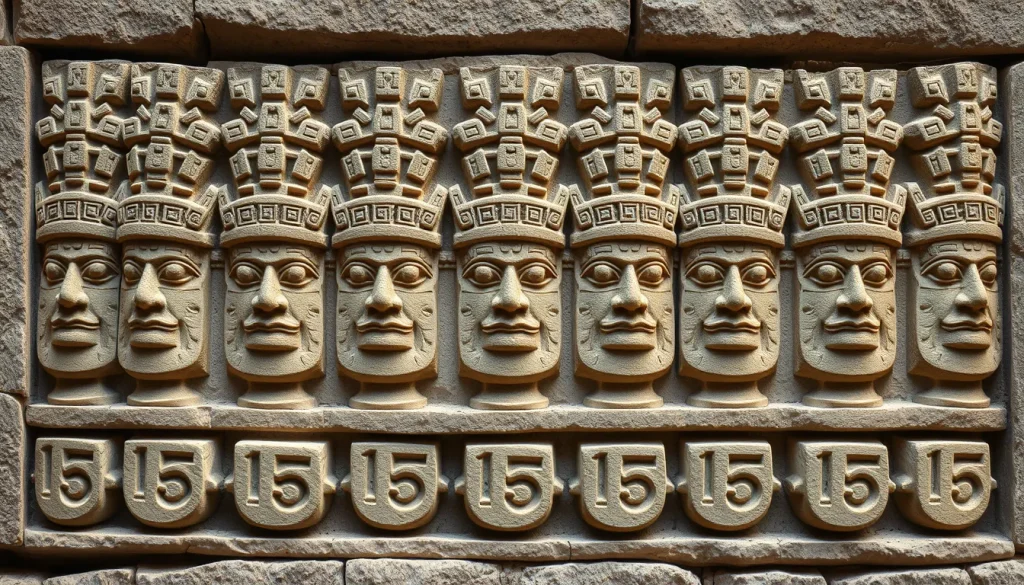
The Maya civilization developed one of the most sophisticated mathematical and calendrical systems in the ancient world. While the bar-and-dot notation is the most widely recognized method for recording numbers, the Maya also utilized a complex system of head variant numerals. These glyphs represent numbers through anthropomorphic portraits, often incorporating attributes of specific deities or supernatural beings. Understanding these head variants is essential for deciphering monumental inscriptions, codices, and calendar records where artistic expression merged with mathematical precision.
Head variant numerals are not merely decorative; they are functional components of the Maya vigesimal (base-20) numeral system. They appear frequently in the Long Count calendar and ritual contexts, providing a sacred dimension to quantitative data. This article examines the structure, evidence, and significance of these unique glyphs within Maya epigraphy and cosmology.
Main Explanation
Maya head variant numerals are glyphic representations of numbers that use human or deity heads instead of the standard bars and dots. In the standard system, a dot represents one, a bar represents five, and a shell symbolizes zero. However, in the head variant system, each number from zero to nineteen typically possesses a distinct portrait glyph. These portraits are not random; they often incorporate specific iconographic elements that identify the numerical value.
The visual complexity of head variants exceeds that of the bar-and-dot system. A numeral head might feature a specific headdress, facial markings, or hand gestures that correlate to its value. For example, the number zero is frequently depicted as a hand holding a closed eye or a shell-like element, indicating completion or nothingness. Higher numbers may show deities associated with time periods or celestial bodies. This system allowed scribes to convey numerical information with greater artistic flair and religious significance, particularly on stelae and architectural lintels where space and aesthetics were paramount.
Functionally, these numerals operate within the same positional vigesimal framework as the bar-and-dot system. Values are read from bottom to top in vertical columns, with each position representing a power of twenty. The head variants can be substituted for standard numerals in most contexts, though they are more common in specific calendrical notations such as the Calendar Round or Long Count initial series. The use of head variants suggests a dual purpose: recording data and invoking the supernatural forces associated with those numbers.
Evidence & Sources
Archaeological and epigraphic evidence for head variant numerals is abundant across the Maya lowlands and highlands. Primary sources include stone monuments, ceramic vessels, and the surviving codices. Scholarly work by epigraphers has cataloged these variants extensively. Mark Pitts, in his non-technical introduction to Maya glyphs, explicitly identifies “Maya Head Glyphs” as a distinct chapter in the study of Maya numbers, noting their presence in sites like Palenque, Mexico. This confirms their usage in major Classic period centers.
Digital archives and educational resources, such as those maintained by FAMSI (Foundation for the Advancement of Mesoamerican Studies, Inc.), provide detailed drawings and photographs of these glyphs. These resources highlight that head variants were not isolated occurrences but a standardized part of the scribal toolkit. Planet Archaeology notes that the Maya number system included “Head-variant Numeral Glyphs” alongside the bar-and-dot notation, emphasizing the sophistication of their mathematical achievement. The existence of a true zero concept is also reflected in these variants, often shown through specific facial expressions or hand gestures indicating absence.
Furthermore, comparative analysis of glyphs across different sites reveals regional stylistic variations while maintaining core numerical identifiers. This consistency allows modern researchers to decode dates even when the artistic style varies. The integration of these numerals into the calendar system is well-documented, showing how mathematics was inseparable from timekeeping and ritual. The evidence supports the view that head variants were a formalized script rather than informal artistic license.
Deep Dive Analysis
Module A: Definition and Structure of Head Variant Numerals
Definition
Maya head variant numerals are defined as anthropomorphic glyphic symbols used to represent numerical values within the Maya vigesimal system. Unlike the abstract bar-and-dot notation, these glyphs personify numbers, often associating them with specific gods or cosmic forces. They serve as a bridge between quantitative mathematics and qualitative cosmology.
How It Works
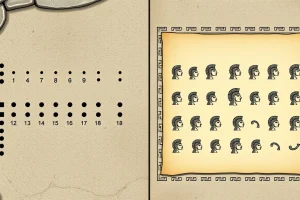
The system operates on the same base-20 logic as the standard numerals. Each head represents a value between 0 and 19. When values exceed 19, the heads are stacked vertically, with each higher position representing a multiple of twenty (20, 400, 8000, etc.). The recognition of a specific number relies on identifying key iconographic markers on the head, such as the shape of the eye, the presence of a beard, or specific headdress elements. Scribes could mix bar-and-dot numerals with head variants within the same inscription, providing flexibility in layout and emphasis.
Key Components
Several components define a head variant numeral:
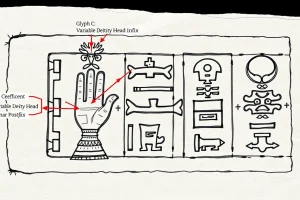
- Facial Features: The eyes, mouth, and nose often carry specific markers. For instance, a spiral eye might denote a specific value distinct from a almond-shaped eye.
- Headdress: Many numeral heads wear headdresses that identify the associated deity or time period.
- Affixes: Small symbols attached to the head, such as dots or bars, can modify the value or clarify the reading.
- Hand Gestures: In some cases, particularly for zero, a hand is depicted performing an action, such as covering the eye.
Example
A classic example is the representation of the number nine. In head variant form, this is often associated with the Night Lords, deities who ruled the nine levels of the underworld. The glyph might depict an aged god with specific markings indicating his status as a lord of the night. Similarly, the number twenty, while often represented by a distinct unit in the positional system, can sometimes be indicated by a specific head glyph denoting a complete count or unit shift.
Historical Evidence
Head variant numerals appear prominently during the Classic Period (250–900 CE). They are found on stelae at sites like Copán and Palenque, where large dates were carved to commemorate royal accessions and astronomical events. The Dresden Codex, one of the few surviving Maya books, also utilizes these variants in its astronomical tables. The consistency of these glyphs across centuries indicates a stable scribal tradition trained in both mathematics and theology.
Common Misconceptions
A common misconception is that head variants are purely artistic and lack mathematical rigor. In reality, they follow strict positional rules. Another error is assuming each head represents a unique god unrelated to the number; often, the deity is chosen because of their numerical association. Finally, some believe these variants replaced bar-and-dot numerals entirely, but evidence shows they were used interchangeably depending on the context and available space.
Scholar Consensus
Epigraphers agree that head variants are a formal part of the Maya writing system. They are not shorthand but rather a full alternative notation. Research continues into the specific deity associations for each number, as some variants remain debated. However, the functional mathematical role is undisputed. The system demonstrates the Maya integration of science and religion, where counting was a sacred act.
FAQ
Are Maya head variant numerals different from bar-and-dot numbers?
Yes, head variants use anthropomorphic glyphs to represent numbers, while bar-and-dot uses abstract symbols. Both function within the same base-20 system.
What number does the shell symbol represent in Maya numerals?
The shell symbol represents zero, a concept the Maya developed independently and utilized in their positional numeral system.
Where are head variant numerals typically found?
They are commonly found on stone stelae, architectural lintels, and in the surviving Maya codices like the Dresden Codex.
Leave a Reply