
Short Answer
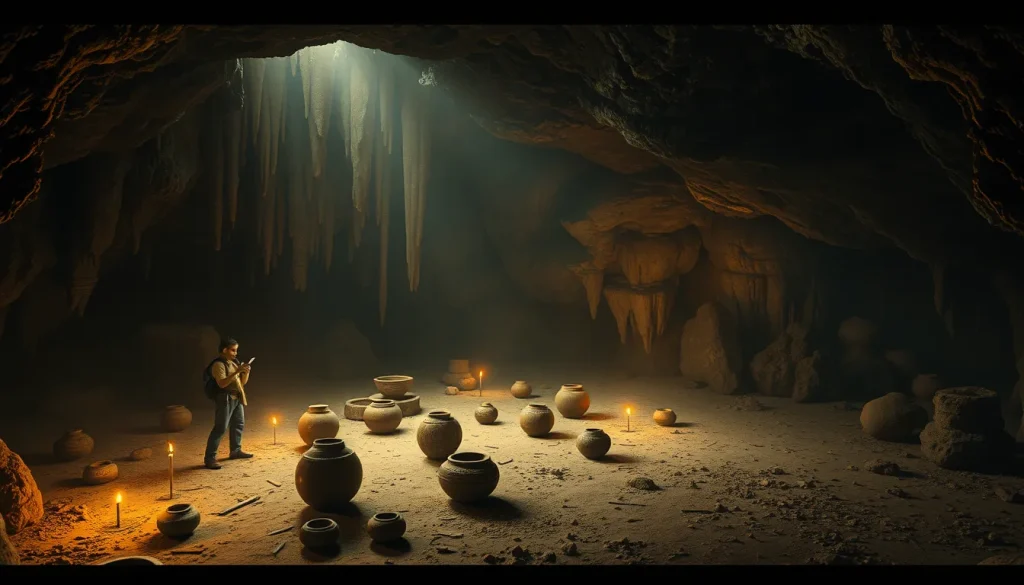
Throughout Mesoamerica, from as early as 1000 BC, the ancient Maya considered caves to be sacred features of the landscape. These subterranean spaces were not merely geological formations but powerful and important ritual venues, a tradition that continues among modern Maya people today. With the advent of cave archaeology in the 1970s, researchers have investigated hundreds if not thousands of cave sites, beginning to understand the rich diversity of ritual practices and the implications of cave use within socio-political systems. This comprehensive overview examines how caves were conceptualized by ancient and modern Maya people, reviews critical archaeological findings, and discusses the evolution of cave research within the field of Mesoamerican archaeology.
Main Explanation
The conceptualization of caves within the Maya world extends beyond their physical utility as shelter or storage. Archaeological and anthropological literature indicates that caves were viewed as fundamental ritual spaces rather than domestic areas. Although the caves that riddled the lowlands show no signs of habitation, most contain evidence of human use that suggests they functioned as ritual spaces. This distinction is crucial for understanding Maya religion in the cave context, covering primarily Classic Period archaeology from A.D. 100 through the Spaniards’ arrival. The presence of archaeological remains within these sites yields insights into Maya ritual and cosmology, demonstrating the importance of these subterranean spaces to Maya archaeology.
Furthermore, recent scholarship pushes researchers to move beyond seeing caves as passive contexts to contain ceremonies directed elsewhere. Instead, conversations with Indigenous collaborators and nuanced reads of anthropological literature suggest caves should be seen as animate beings with unique identities and personalities in their own right. This perspective shifts the analytical framework from viewing caves as static backdrops to understanding them as living agents within an animate Maya landscape. This animate quality implies that rituals performed within caves were interactions with sentient entities, reinforcing the sacred nature of the landscape. The tradition of cave use is not merely historical but continues today, linking ancient practices with modern Indigenous worldviews.
The political dimension of cave use is also significant. Sacred landscapes often served as political resources, where control over ritual venues could legitimize authority. Case studies, such as those at Chechem Ha Cave in Belize, illustrate how ancient Maya cave use was integrated into broader socio-political systems. The Western Belize Regional Cave Project (WBRCP) has highlighted how these sites were managed and utilized by elites and commoners alike, reflecting complex social hierarchies. By controlling access to these sacred spaces, political leaders could reinforce their connection to the divine and the earth lords associated with the underworld. Thus, caves were not only religious sites but also instruments of power and social cohesion within ancient Maya communities.

Evidence & Sources
The archaeological evidence for Maya cave rituals is extensive and varied. Since the 1970s, archaeologists have investigated hundreds if not thousands of cave sites across the Maya region. This surge in research has allowed scholars to compile the best current scholarship in this fast-growing area of research. Volumes dedicated exclusively to the use of caves in the Maya Lowlands, such as Stone Houses and Earth Lords, have been instrumental in demonstrating the importance of these subterranean spaces. These publications cover primarily Classic Period archaeology and provide interpretations of archaeological remains that yield insights into Maya ritual and cosmology. The evidence suggests that while caves were not habitation sites, they were densely populated with ritual artifacts, offerings, and modifications.
Specific case studies provide granular data on how these sites were utilized. For instance, the work at Chechem Ha Cave in Belize, Central America, serves as a pivotal case study for understanding the sacred landscape as a political resource. Research conducted over multiple field seasons by the Western Belize Regional Cave Project (WBRCP) has documented the extensive use of this site. The dissertation work by Holley Moyes, submitted in 2006, details the four field seasons spent developing this work, acknowledging the support of the Institute of Archaeology and principal investigators. This long-term engagement with specific sites allows for a deeper understanding of the temporal depth of cave use, spanning from the Preclassic through the Classic periods.
Moreover, recent trends in cave research emphasize the animate nature of these spaces. Published works in journals such as Religions highlight the shift towards viewing caves as living agents in the past and present. This research is funded by organizations like the National Science Foundation, indicating the academic rigor and support behind these investigations. The collaboration with Indigenous partners has been essential in shaping these interpretations, ensuring that modern Maya perspectives inform archaeological models. This interdisciplinary approach combines archaeological data with anthropological insights to create a more holistic understanding of cave rituals. The evidence thus supports a model where caves are active participants in the ritual landscape rather than passive containers.
Deep Dive Analysis
Definition
Sacred cave rituals among the ancient Maya are defined as ceremonial practices conducted within subterranean spaces considered sacred features of the landscape. These rituals were not domestic activities but were specifically designed to engage with the spiritual forces believed to reside within the earth. The definition encompasses a wide range of activities, from offerings and burials to large-scale public ceremonies. These practices were rooted in the belief that caves were portals to the underworld and homes to earth lords. The continuity of these traditions into the present day underscores their cultural significance.
How it works
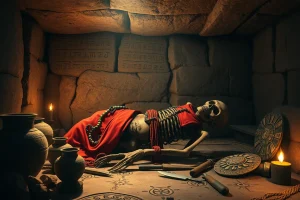
The mechanism of cave ritual involves the physical entry into the subterranean realm to perform acts of veneration or supplication. Participants would navigate the dark, often dangerous environments of the caves to deposit offerings such as ceramics, obsidian, and organic materials. These acts were believed to maintain balance between the human world and the spiritual realm. The caves functioned as ritual spaces where the boundary between the surface world and the underworld was thin. Rituals were directed towards the caves themselves, acknowledged as animate beings with unique identities. This interaction required specific knowledge of the cave systems and the proper protocols for engagement.
Key components
Key components of these rituals include the physical cave structure, the offerings left behind, and the participants themselves. The cave structure provided the sacred context, often featuring natural formations like stalactites that were culturally significant. Offerings served as material evidence of the rituals, ranging from humble pottery to valuable jade. Participants varied from commoners to elites, reflecting the socio-political systems embedded in cave use. The landscape itself was a component, viewed as animate and responsive to human action. These elements combined to create a powerful ritual environment that reinforced cosmological beliefs.
Example
A prime example of this practice is found at Chechem Ha Cave in Belize, Central America. This site has been investigated over four field seasons, revealing extensive evidence of ancient Maya cave use. The work here illustrates how the sacred landscape served as a political resource. Artifacts recovered from Chechem Ha demonstrate long-term use and the deposition of significant ritual materials. The site’s investigation by the Western Belize Regional Cave Project highlights the collaborative effort required to understand these complex spaces. Chechem Ha stands as a testament to the integration of cave rituals into broader regional political strategies.
Historical evidence
Historical evidence for these rituals spans from as early as 1000 BC through the Spaniards’ arrival. Archaeological findings from the Classic Period (A.D. 100 onwards) are particularly rich. Hundreds if not thousands of cave sites have been investigated since the advent of cave archaeology in the 1970s. Publications like Stone Houses and Earth Lords compile this evidence, showing that caves riddled the lowlands and contained evidence of human use. The temporal depth of these sites confirms that cave rituals were a enduring feature of Maya culture, adapting over centuries while maintaining core cosmological significance.
Common misconceptions
A common misconception is that caves were used primarily for habitation or storage. Archaeological evidence suggests that although caves show no signs of habitation, most contain evidence of human use indicating they functioned as ritual spaces. Another misconception is viewing caves as passive contexts for ceremonies directed elsewhere. Current research pushes us to see caves as animate beings with unique identities and personalities in their own right. Additionally, some may assume these practices ended with the Spanish conquest, but the tradition continues today among modern Maya people. Understanding these distinctions is vital for accurate archaeological interpretation.
FAQ
Were Maya caves used for living spaces?
No, archaeological evidence suggests that although caves show no signs of habitation, most contain evidence of human use indicating they functioned as ritual spaces.
When did Maya cave rituals begin?
Throughout Mesoamerica, ancient Maya considered caves to be sacred features of the landscape from as early as 1000 BC.
Are cave rituals still practiced today?
Yes, the tradition of considering caves as sacred ritual venues continues among modern Maya people today.
How many cave sites have been studied?
Archaeologists have investigated hundreds if not thousands of cave sites since the advent of cave archaeology in the 1970s.
Leave a Reply