Skip to content
Maya Skies | Maya Astronomy, Calendars & Archaeology
  • Home
  • Tools
    • Calendar Round Calculator
    • Chichen Itza Architecture Explorer
    • Long Count Calculator
    • Maya Calendar Converter
    • Maya Number Converter
    • Maya Numerals Chart
    • Maya Time Units Calculator
    • Venus Cycle Explorer
  • Topics
    • Archaeology
    • Calendar Systems
    • Chichén Itzá
    • Digital Heritage
    • Math & Writing
    • Maya Astronomy
    • Maya Cosmology
  • About Us
    • Project History
    • Research Standards
    • Editorial Policy
    • Corrections Policy
    • Image Credits

Recent Posts

  • Understanding Maya E-Group Architecture: Early Observatories or Ritual Spaces?
  • Why the Haab’ Had No Leap Year: Solar Drift and Maya Timekeeping
  • The Pleiades in Maya Culture: Agricultural Markers and Ritual Significance
  • What Is the GMT Correlation? Understanding Maya Calendar Date Conversion
  • Who Are the Lords of the Night? Maya Time Deities Explained

Recent Comments

No comments to show.

Archives

  • September 2026
  • August 2026

Categories

  • Archaeology
  • Calendar Systems
  • Chichén Itzá
  • Digital Heritage
  • Math & Writing
  • Maya Astronomy
  • Maya Cosmology

Month: August 2026

How Long Is a Baktun? Understanding the Maya Long Count Unit

How Long Is a Baktun? Understanding the Maya Long Count Unit

August 10, 2026 | Calendar Systems | Husai Anguiano Tamayo

A baktun is a major unit of time in the Maya Long Count calendar, consisting of 144,000 days or approximately 394.26 tropical years. This article explores the mathematical structure, historical significance, and modern context of the baktun within Mesoamerican chronology.
Read More →
The Strategic and Cosmological Significance of Chichén Itzá

The Strategic and Cosmological Significance of Chichén Itzá

August 10, 2026 | Archaeology | Husai Anguiano Tamayo

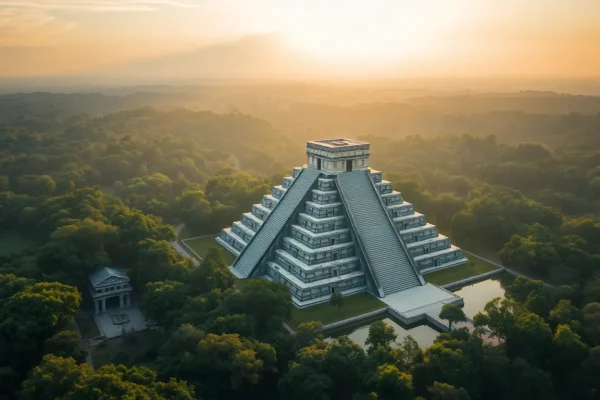
Chichén Itzá served as a paramount political, religious, and commercial hub in the Maya world. Its importance stems from strategic water access, architectural innovation, and its role as a bridge between Maya and Central Mexican cultures.

Read More →
Can We Accurately Reconstruct Ancient Maya Buildings?

Can We Accurately Reconstruct Ancient Maya Buildings?

August 6, 2026 | Archaeology | Husai Anguiano Tamayo

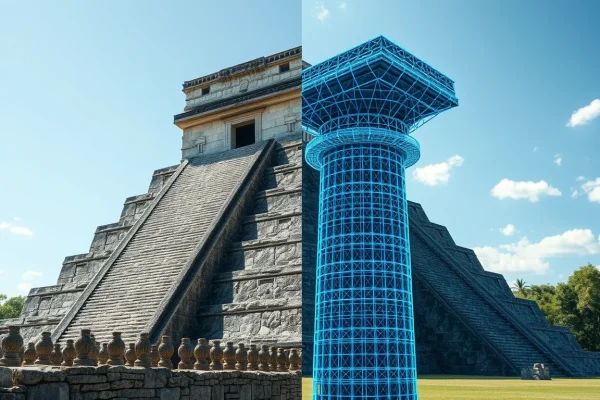
Modern digital heritage technologies enable archaeologists to create precise virtual reconstructions of Maya architecture. While physical restoration is limited by conservation ethics, 3D data-driven analysis allows for rigorous testing of structural hypotheses without damaging original remains.

Read More →
How to Read Maya Numerals: A Guide to Vigesimal Mathematics

How to Read Maya Numerals: A Guide to Vigesimal Mathematics

August 4, 2026 | Math & Writing | Husai Anguiano Tamayo

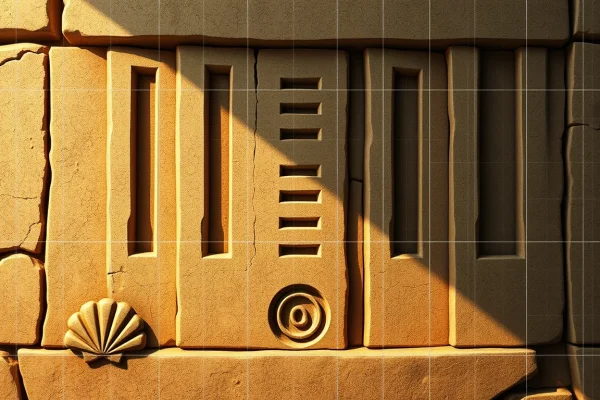
The Maya numeral system is a sophisticated vigesimal (base-20) positional system featuring an early independent invention of zero. Understanding these numerals requires knowledge of three primary symbols and their vertical arrangement.

Read More →
The Serpent Shadow of El Castillo: Archaeoastronomy and Architectural Intent

The Serpent Shadow of El Castillo: Archaeoastronomy and Architectural Intent

August 4, 2026 | Archaeology | Husai Anguiano Tamayo

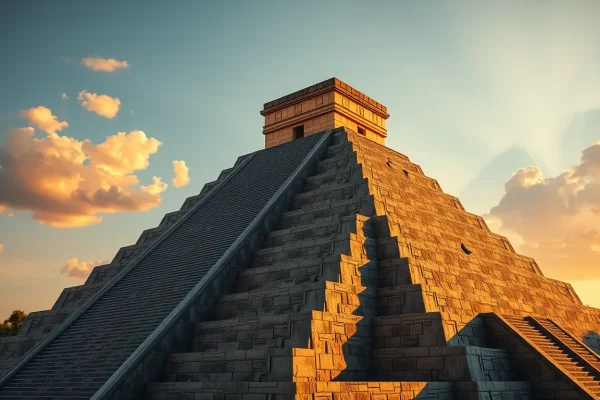
The serpent shadow at El Castillo is created by sunlight interacting with the pyramid’s stepped terraces during the equinoxes. Recent studies suggest the phenomenon’s timing is more complex than previously believed, raising questions about Maya architectural intent.

Read More →
Observing Venus at Chichén Itzá: Architecture and Astronomy

Observing Venus at Chichén Itzá: Architecture and Astronomy

August 4, 2026 | Maya Astronomy | Husai Anguiano Tamayo

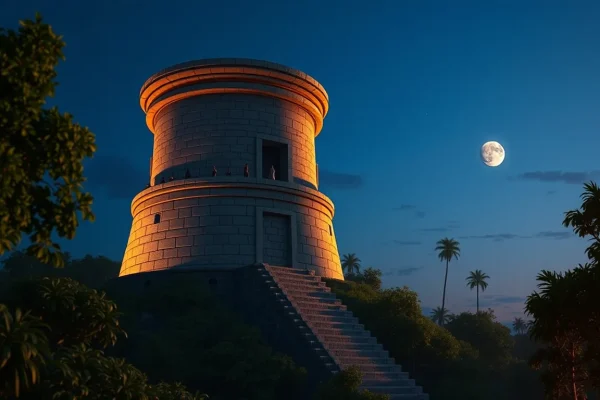
At Chichén Itzá, the Maya observed Venus using the El Caracol structure, aligning its architecture with the planet’s complex cycles. Venus was critical for timing warfare and held significance as the sun’s twin within Maya cosmology.

Read More →
Solar Chronometry: Methods of Maya Sun Tracking

Solar Chronometry: Methods of Maya Sun Tracking

August 4, 2026 | Maya Astronomy | Husai Anguiano Tamayo

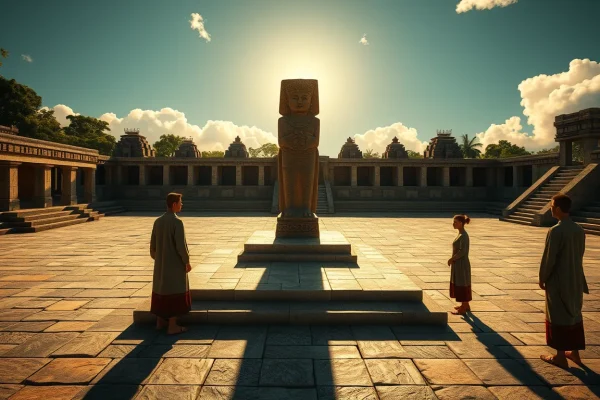
The Maya civilization developed sophisticated methods to track the movement of the sun using architectural alignments and gnomonic devices. Archaeological evidence from sites like Copan reveals the use of stelae as sundials to mark solstices and zenith passages. This precision supported their agricultural schedules and complex calendar systems.

Read More →
Maya Archaeoastronomy: How Architecture and the Sky Were Connected

Maya Archaeoastronomy: How Architecture and the Sky Were Connected

August 3, 2026 | Archaeology | Husai Anguiano Tamayo

An comprehensive examination of the archaeological evidence linking ancient Maya architecture to celestial cycles, including solar, lunar, and Venus alignments.

Read More →
Decoding Maya Time: How to Read a Calendar Date

Decoding Maya Time: How to Read a Calendar Date

August 3, 2026 | Calendar Systems | Husai Anguiano Tamayo

Reading a Maya calendar date requires understanding multiple interlocking timekeeping systems, including the sacred Tzolk’in, the solar Haab, and the absolute Long Count. This guide explains the vigesimal mathematics and archaeological evidence behind deciphering these ancient inscriptions.

Read More →
Interlocking Time: How the Tzolk’in and Haab Calendars Function Together

Interlocking Time: How the Tzolk’in and Haab Calendars Function Together

August 3, 2026 | Calendar Systems | Husai Anguiano Tamayo

The Maya calendar system is not a single entity but a stack of interlocking cycles. The 260-day Tzolk’in and 365-day Haab synchronize to create the 52-year Calendar Round, a fundamental unit of Mesoamerican chronology used for agriculture, ritual, and recording history.

Read More →

Posts pagination

← Previous 1 … 3 4 5 6 Next →

About This Site

Reading the Sky, Time, and Architecture of the Maya

Recent Articles

  • Understanding Maya E-Group Architecture: Early Observatories or Ritual Spaces?
  • Why the Haab’ Had No Leap Year: Solar Drift and Maya Timekeeping
  • The Pleiades in Maya Culture: Agricultural Markers and Ritual Significance
  • What Is the GMT Correlation? Understanding Maya Calendar Date Conversion
  • Who Are the Lords of the Night? Maya Time Deities Explained
  • Home
  • Privacy Policy
  • About Us
  • Contact Us
  • Disclaimer
  • Terms of Service
© 2026 Maya Skies | Maya Astronomy, Calendars & Archaeology. All rights reserved. Powered by WordPress