Venus in Maya Astronomy: Observation, Calendars and Meaning
An comprehensive archaeological and astronomical analysis of Venus cycles in Maya culture, covering the Dresden Codex, architectural alignments, and ritual significance.

An comprehensive archaeological and astronomical analysis of Venus cycles in Maya culture, covering the Dresden Codex, architectural alignments, and ritual significance.
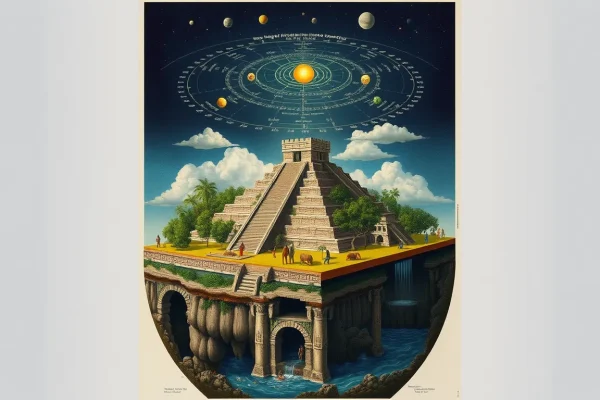
An comprehensive archaeological examination of Maya cosmological beliefs, detailing the vertical universe, sacred calendars, and the materialization of time in architecture.
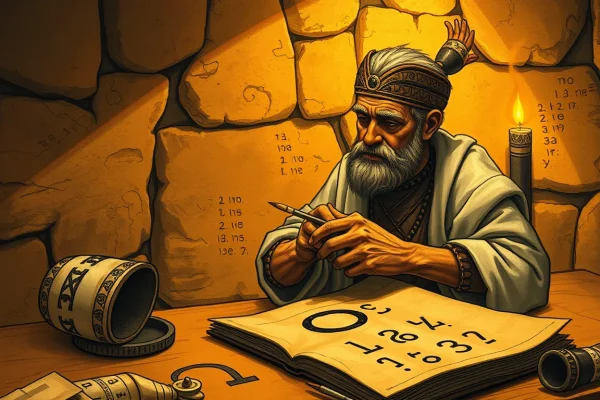
The ancient Maya represented zero using a stylized shell symbol within their vigesimal numeral system. This innovation allowed for complex astronomical calculations and precise calendar tracking. Archaeological evidence confirms the use of zero as a placeholder from at least the third century BCE.
El Caracol at Chichén Itzá is widely cited as a Maya observatory, but archaeological evidence suggests a nuanced function. While architectural alignments match Venus and solar cycles, not every window served an astronomical purpose, indicating a dual role as both a scientific instrument and a monument to Quetzalcoatl.
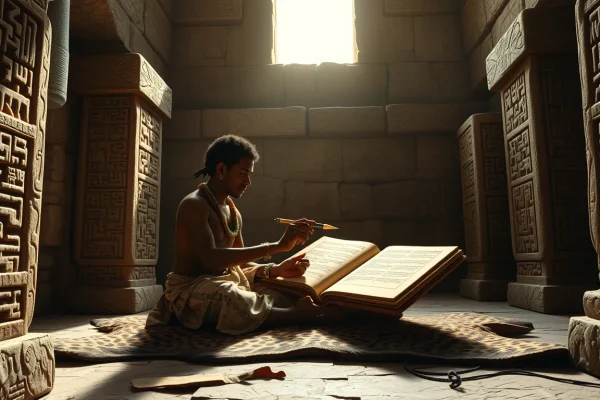
A comprehensive archaeological overview of the Maya hieroglyphic script, covering its logosyllabic structure, the role of scribes, historical development, and modern decipherment efforts.
An authoritative archaeological guide to the Haab, the 365-day Maya solar calendar, detailing its eighteen months, Wayeb days, and civil functions.
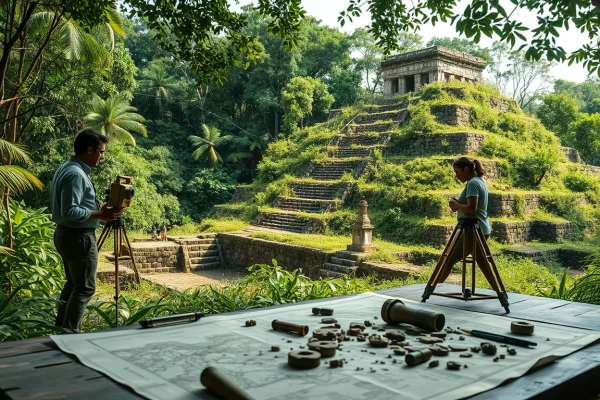
An comprehensive examination of the scientific methodologies, digital technologies, and archaeological strategies used to reconstruct the history and culture of the ancient Maya civilization.
The Haab’ is a 365-day solar calendar used by the Maya and other Mesoamerican cultures. Comprising 18 months of 20 days plus a short period known as Wayeb’, it served practical and ceremonial purposes alongside the sacred Tzolk’in.
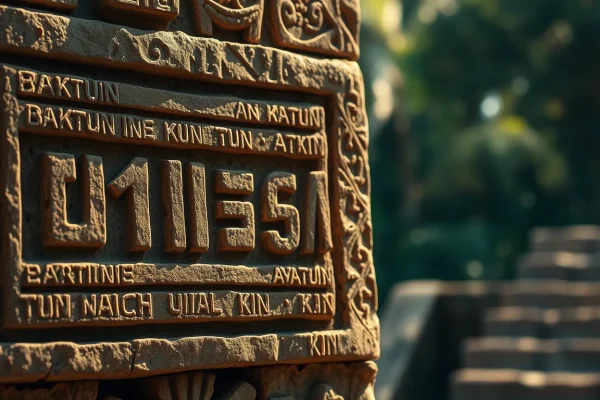
The Maya Long Count calendar utilizes a modified vigesimal system to track linear time through specific units: the Kin, Uinal, Tun, Katun, and Baktun. These periods allowed ancient scribes to record history over vast epochs, anchoring events to a mythical creation date in 3114 BCE.
3D archaeology utilizes advanced digital technologies like photogrammetry and LiDAR to document, preserve, and reconstruct endangered cultural heritage sites. This approach minimizes invasive excavation while creating permanent digital records against threats such as war and climate change.