Short Answer
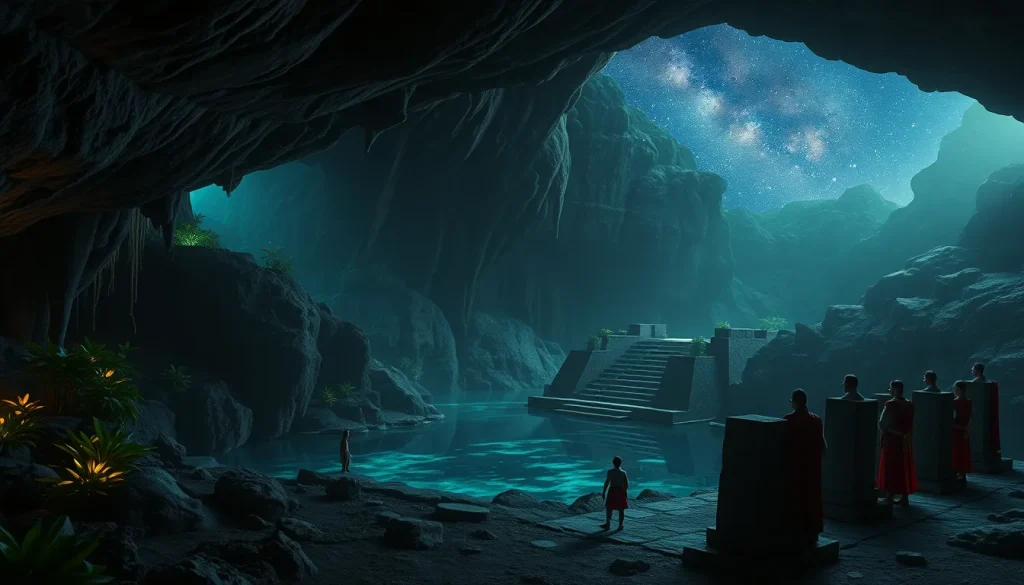
Xibalba, often translated as the “Place of Fright” or “Place of Fear,” represents the complex underworld cosmology of the ancient Maya civilization. Unlike the Christian concept of hell, which is a place of eternal punishment for the wicked, Xibalba was a destination for nearly all souls after death, regardless of moral conduct during life. It is described in Kʼicheʼ Maya sources as a court below the surface of the Earth, ruled by death gods and their helpers, known as the Lords of Xibalba. The structure of this realm is not merely a spiritual abstraction but is deeply intertwined with the physical landscape of the Maya world, manifested through cave systems, cenotes, and ballcourts that served as ritual entrances to the subterranean domain.
The significance of Xibalba extends beyond mythology into the archaeological record. Classic-period ceramics, cave art, and ethnohistoric texts like the Popol Vuh provide a detailed map of this fearful place. Understanding the structure of Xibalba requires analyzing the intersection of narrative myth, cosmological belief, and physical geography. For the Maya, the underworld was a tangible reality accessible through specific portals, where the souls of the dead faced trials administered by powerful deities associated with sickness, starvation, and death.
Main Explanation
The cosmological structure of Xibalba is defined by its location beneath the earth and its governance by a hierarchy of death gods. In Kʼicheʼ Maya mythology, the realm is ruled primarily by two senior lords: Hun-Came (“One Death”) and Vucub-Came (“Seven Death”), with Hun-Came holding seniority. They are accompanied by ten other lords, often referred to as demons, who are commissioned to oversee various forms of human suffering. These forms include sickness, starvation, fear, destitution, and pain. This hierarchy suggests a bureaucratic structure to the underworld, where specific deities manage specific aspects of mortality and decay.
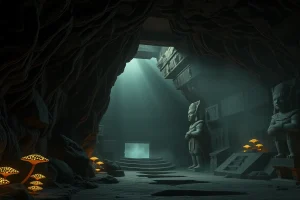
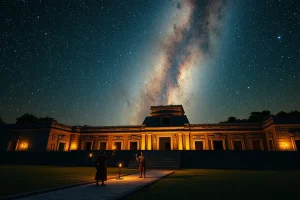
Geographically, Xibalba was not considered a distant abstract plane but a location accessible through natural features. In 16th-century Verapaz, the entrance to Xibalba was traditionally held to be a cave in the vicinity of Cobán, Guatemala. Cave systems in nearby Belize have also been referred to as entrances to this underworld. Furthermore, in some Maya areas, the Milky Way is viewed as the road to Xibalba, linking the subterranean realm with the celestial sphere. This connection highlights the Maya view of cosmology as an integrated system where the sky, earth, and underworld are connected pathways.
The physical architecture of Xibalba is described as containing specific “Houses of Terror.” These are not merely rooms but trial chambers designed to test the souls entering the realm. The most commonly cited houses include the Dark House, Razor House, Cold House, Jaguar House, Bat House, and Fire House. Each house presents a unique lethal challenge, reflecting the dangers associated with death and the unknown. The ballcourt also serves as a significant structural element, acting as both an entrance and a stage for the mythological contests between the lords of the underworld and the Hero Twins.
Evidence & Sources
The primary textual source for the structure of Xibalba is the Popol Vuh, the sacred book of the Kʼicheʼ Maya. This manuscript details the narrative of the Hero Twins, Hunahpu and Xbalanque, who descend into Xibalba to avenge their father and uncle. Their journey provides the most comprehensive map of the underworldʼs layout, its rulers, and the trials inherent to its structure. The Popol Vuh describes the twins navigating the dark road to Xibalba, crossing a river of scorpions, and facing the lords in the ballcourt.
Archaeological evidence supports these textual claims through iconography found on Classic-period ceramics. Many vase paintings depict scenes from the Popol Vuh, showing the Hero Twins confronting the Lords of Xibalba or navigating the dangerous landscape of the underworld. These visual records confirm that the mythology was widespread and not limited to a single region or time period. Additionally, cave archaeology has revealed ritual deposits, including pottery and human remains, in cave systems identified as potential entrances to Xibalba. These findings suggest that the caves were treated as sacred portals where communication with the dead and the lords of the underworld took place.
Ethnohistoric sources from the 16th century also provide context. Spanish chroniclers recorded indigenous beliefs about the underworld, noting the association between caves and the land of the dead. Modern interdisciplinary research, involving iconographers, epigraphers, linguists, and archaeoastronomers, continues to refine our understanding. By piecing together ancient Maya mythology and cosmology, scholars have moved beyond vague generalizations to identify specific details within the framework of the underworld. This collaborative approach has allowed broad new insights to manifest, shedding light on the dimly perceived underworld of the ancient Maya.
Deep Dive Analysis
Module A: Definition and Structural Components
Definition
Xibalba (sometimes written Xibalbá or Xibalbay) is the Maya underworld, a vast subterranean kingdom ruled by death gods and populated by demons, monsters, and the souls of the dead. The name comes from the Kʼicheʼ Maya root xib, meaning “fright” or “trembling,” making Xibalba literally the “Place of Fear.” For the Yucatec Maya, the underworld was known as Metnal, indicating regional variations in nomenclature while maintaining similar cosmological concepts.
How It Works
The functioning of Xibalba involves the journey of the soul after death. Unlike beliefs where a good life ensures heaven, the Maya belief system held that there was not much chance of escaping Xibalba. Ideas such as leading a good life and avoiding eternal torment by not doing bad things were not part of the Maya belief system. Only those who died a violent death, such as in sacrifice or childbirth, might avoid this standard journey. The underworld was a truly fearsome place, strongly associated with water, possessing its own landscape, gods, and blood-thirsty predators.
Key Components
The structure is defined by two main groups: the Lords and the Houses. The twelve gods or powerful rulers known as the Lords of Xibalba govern the realm. The first among the Maya death gods ruling Xibalba were Hun-Came and Vucub-Came. The remaining ten Lords are often referred to as demons and are given commission and domain over various forms of human suffering. The Houses of Terror serve as the architectural framework of the underworld. These include the Dark House, Razor House, Cold House, Jaguar House, Bat House, and Fire House. Each represents a specific elemental or predatory threat.
Example
The narrative of the Hero Twins in the Popol Vuh serves as the primary example of Xibalbaʼs structure in action. The twins receive a summons from the Lords of Xibalba to play a ballgame. They must travel the road to Xibalba, which involves crossing dangerous rivers. Upon arrival, they are subjected to trials in the various Houses. For instance, in the Dark House, they must keep a torch lit without consuming it. In the Razor House, they must survive blades that move autonomously. Their success in outwitting the lords demonstrates the possibility of overcoming the structure of death through cunning and divine aid.
Historical Evidence
Evidence for this structure comes from multiple disciplines. Ethnohistoric sources provide the narrative framework. Archaeological evidence includes cave systems in Belize and Guatemala used as ritual entrances. Iconographic evidence appears on ceramics depicting the action of aggressive wayob and sacrificers within the underworld context. Additionally, archaeoastronomical studies suggest the Milky Way was viewed as the road to Xibalba, linking the structure to celestial observations. This multidisciplinary approach confirms that Xibalba was not just a story but a mapped cosmological reality.
Common Misconceptions
A prevalent misconception is equating Xibalba with the Christian concept of Hell. The Maya did not have “hell” in the moralistic sense; Xibalba was where nearly all souls went after death, not just sinners. Another misconception is that it was purely imaginary. Archaeological evidence of cave rituals suggests it was grounded in physical geography. Finally, some modern interpretations suggest it was a place of rest, but the name “Place of Fright” and the description of Houses of Terror indicate it was viewed with significant apprehension and fear by the ancient Maya.
FAQ
Is Xibalba the same as Hell?
No, Xibalba was not a place of moral punishment like the Christian Hell. It was where nearly all souls went after death, regardless of their behavior in life.
Who ruled Xibalba?
Xibalba was ruled by twelve Lords, with Hun-Came (One Death) and Vucub-Came (Seven Death) being the senior rulers.
How did people enter Xibalba?
Entrances were believed to be located in caves, cenotes, and ballcourts, which served as portals between the earth and the underworld.
Leave a Reply