
Short Answer
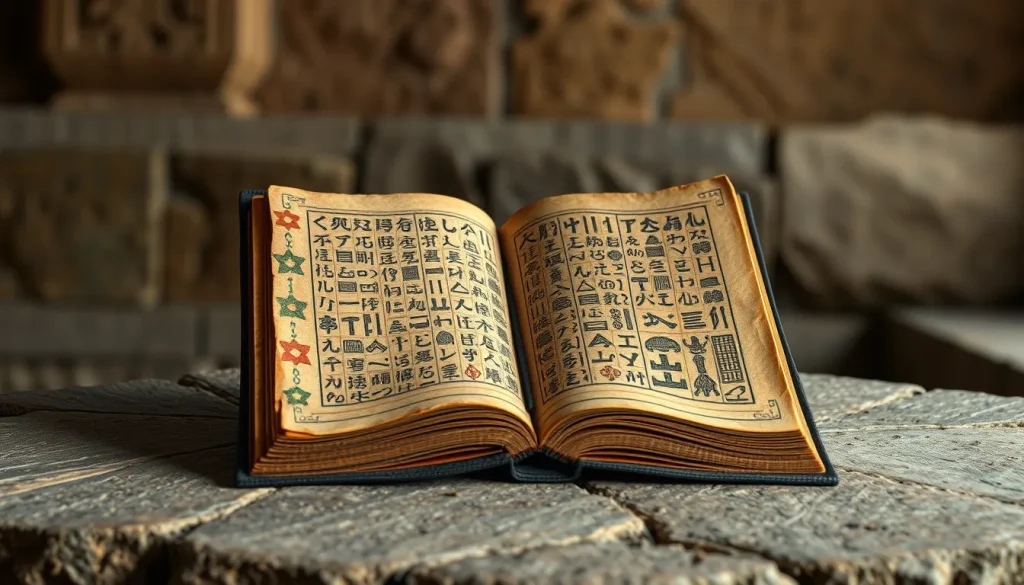
The Maya codices represent the pinnacle of pre-Columbian intellectual achievement, serving as folding books written by the ancient Maya civilization in Maya hieroglyphic script. These manuscripts were created on Mesoamerican bark paper and functioned as vital records for astronomical movements, agricultural seasons, and the accomplishments of rulers. Tragically, the vast majority of these texts were destroyed during the Spanish conquest of the Yucatan peninsula in the early 1500s. Under the direction of Diego de Landa, a Spanish priest, colonizers sought to weaken Maya culture by targeting their written documents, burning every Maya codex they could find. Today, only four codices, or fragments thereof, remain in somewhat readable form, providing a fragile window into a lost world of knowledge.
Main Explanation
The surviving manuscripts are commonly named for the cities where they are currently kept or where they were first exhibited. The Dresden Codex, housed in Germany, is generally considered the most important of the few that survive. It contains detailed astronomical tables, including precise calculations regarding the cycles of Venus and eclipse predictions. The Madrid Codex, located in Spain, is the longest of the surviving books and focuses primarily on ritual almanacs and divinatory texts used by priests. The Paris Codex, kept in France, is notable for its content related to the Maya zodiac and prophetic statements regarding katun endings. Finally, the Grolier Codex, named for the Grolier Club of New York City where it was first exhibited, remains a subject of scholarly debate. While some Mayanists dispute whether the Grolier is real or fake, recent analyses have increasingly supported its authenticity, bringing the count to four extant volumes.
Physically, these books are screenfold manuscripts, meaning they are folded accordion-style rather than bound like modern Western books. The term “codex” refers to a manuscript volume, deriving etymologically from the Latin “caudex,” meaning trunk of a tree, wooden tablet, or book. For years, the codices were thought to have been made from maguey fiber. However, in 1910, R. Schwede studied the codices more thoroughly and determined that they were made from a process using the inner bark of fig trees, specifically Ficus cotinifolia. This sort of paper was generally known by the word huun in Mayan languages. The Maya developed their huun-paper around the 5th century, creating a surface that was more durable and better for writing than papyrus. This bark was treated with a lime or lime-like coating on the surface, which was then written on by ink, with brushes.
Research over the past decade has significantly advanced our understanding of the prehispanic Maya codices, both in terms of their content, such as hieroglyphic texts, calendrical structure, and iconography, as well as the physical documents themselves. Recent avenues of exploration include a new emphasis on linguistic and textual analyses, novel methodologies for interpreting calendrical structure, and comparisons with other Mesoamerican traditions. These books were the products of professional scribes working under the patronage of deities such as the Tonsured Maize God and the Howler Monkey Gods. Their survival is nothing short of miraculous, considering that of the thousands of books in which the full extent of Maya learning and ritual was recorded, only these four have survived to modern times.
Evidence & Sources
The archaeological and textual evidence supporting the authenticity and content of the codices comes from multiple disciplines, including material science, epigraphy, and historical records. The physical composition of the paper has been verified through microscopic analysis, confirming the use of fig bark and lime coating as described by Schwede. This material evidence aligns with historical accounts of Maya papermaking practices. Furthermore, the hieroglyphic script found within the codices matches the inscriptions found on stone monuments and painted ceramic vessels from the same period, establishing a consistent linguistic framework across different media.
Historical evidence regarding the destruction of the codices is well-documented in Spanish colonial records. The campaign led by Diego de Landa is a pivotal moment in understanding why so few books remain. This historical context underscores the value of the surviving four, as they represent a tiny fraction of the whole picture of ancient Maya thought. Modern digital heritage initiatives have also played a crucial role in preserving and analyzing these fragile documents. High-resolution imaging and multispectral analysis allow researchers to read faded glyphs without physically handling the brittle pages, reducing the risk of further damage.
Scholarly consensus, as reflected in publications like the Annual Review of Anthropology, indicates that research has advanced significantly regarding where and when the codices were painted and by whom. While the Dresden Codex is widely accepted as pre-Columbian, the Grolier Codex faced skepticism for decades. However, contemporary studies utilizing radiocarbon dating and stylistic analysis have strengthened the argument for its authenticity. The convergence of material science, linguistic decipherment, and historical documentation provides a robust foundation for understanding these artifacts as genuine records of Maya civilization rather than colonial forgeries.
Deep Dive Analysis
Module A: Definition and Structure of the Maya Codex
Definition
A Maya codex is a folding book written by the pre-Columbian Maya civilization in Maya hieroglyphic script on Mesoamerican bark paper. Unlike bound books, these manuscripts are screenfolds, designed to be opened and displayed across a surface for ritual or administrative use. The term has been applied to Mesoamerican hand-written books, distinguishing them from European bound volumes.
How It Works
The production of a codex involved harvesting the inner bark of wild fig trees. This material was processed into paper, known as huun, and treated with a lime coating to create a smooth, white writing surface. Scribes used brushes and ink to paint hieroglyphs and iconography in red and black, occasionally using other colors. The folding mechanism allowed for compact storage and easy reference during ceremonies.
Key Components
The four surviving codices share common structural elements but differ in content. The Dresden Codex focuses on astronomy and mathematics. The Madrid Codex emphasizes ritual almanacs. The Paris Codex contains zodiacal and prophetic data. The Grolier Codex features Venus tables. All utilize the Long Count and Tzolk’in calendar systems to structure time.
Example
The Dresden Codex contains a Venus Table that tracks the synodic cycle of the planet Venus with remarkable accuracy. This data was used to time warfare and religious ceremonies, demonstrating the integration of astronomy and statecraft. The precision of these tables rivals modern astronomical calculations for the period.
Historical Evidence
Archaeological evidence includes the physical manuscripts themselves, preserved in European libraries since the colonial era. Historical records from Spanish conquistadors describe the burning of these texts, corroborating the scarcity of surviving examples. Epigraphic evidence links the glyphs in the codices to those found on stelae and pottery throughout the Maya region.
Common Misconceptions
A longstanding misconception is that the Grolier Codex is a modern fake. While disputed for years, current scholarship leans toward authenticity. Another misconception is that the books were made from maguey fiber; scientific analysis confirms fig bark was the primary material. Additionally, some believe the codices contain prophecies about the end of the world, whereas they primarily track cyclical time and ritual schedules.
FAQ
How many Maya codices survived the Spanish conquest?
There are four (or three) Maya Codices, or fragments, that are extant in somewhat readable form: the Dresden, Madrid, Paris, and Grolier Codices.
What material were the Maya codices made from?
They were made from a process using the inner bark of fig trees (Ficus cotinifolia), treated with a lime coating, known as huun.
Where are the surviving codices kept?
They are named for the cities where they are currently kept: Dresden, Madrid, and Paris, while the Grolier was named for the club where it was first exhibited.
Leave a Reply