
Short Answer
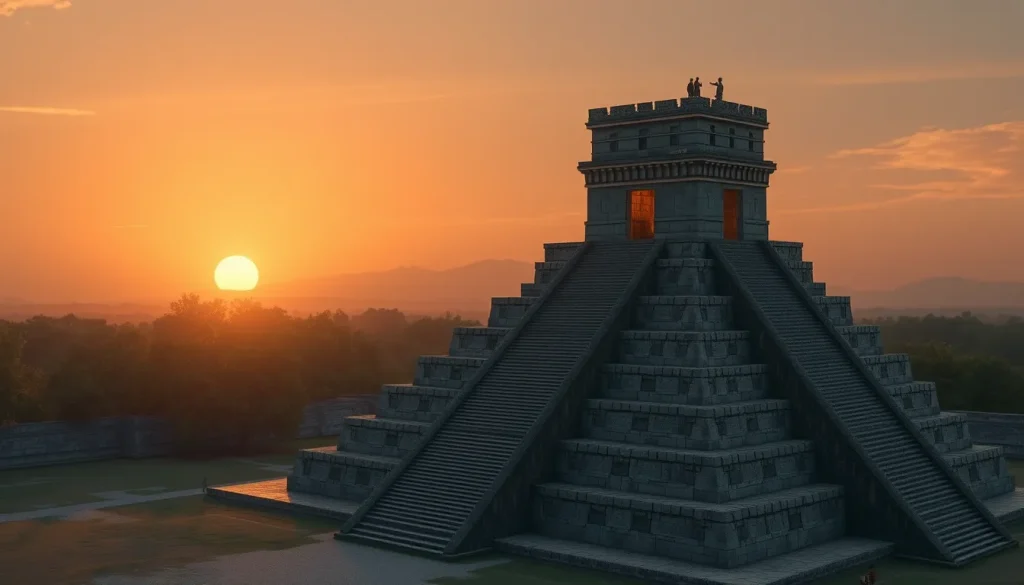
El Caracol stands as one of the most distinctive and scientifically significant structures within the ancient Maya city of Chichén Itzá. Unlike the typical rectilinear architecture found throughout the Maya region, this building features a unique circular tower mounted on a square platform. For decades, its purpose was debated, with some early observers dismissing it as an architectural mistake or anomaly due to its divergence from standard Maya styles. However, modern interdisciplinary investigations have firmly established El Caracol as a sophisticated astronomical observatory. The structure’s design incorporates specific viewing shafts and doorway alignments that correspond to critical celestial events, particularly the extremes of Venus and the equinox sunset. These alignments were not merely decorative but served functional roles in tracking calendars that influenced the cultural and agricultural life of the community.
Main Explanation
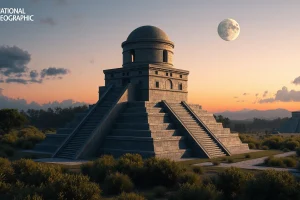
The name El Caracol, meaning “snail” in Spanish, is derived from the narrow winding staircase located within the structure. To gain access to the uppermost tower, observers had to walk through this spiral passage, which resembles the shell of a snail. At the top of the grand staircase is a tower, originally in the form of one smaller cylinder stacked on a larger one, though now rounded by decay. In the half-ruined higher tower, three openings survive. These three openings are small, narrow, and irregularly placed, suggesting that they are actually viewing shafts rather than standard windows or doors. It turns out that these windows do in fact align with important astronomical sightlines. Looking through these windows a thousand years ago, observers could have watched for Venus rising at its northern and southern extremes, as well as the equinox sunset. The three window shafts that remain in the upper tower of El Caracol seem to align with various celestial events on the horizon, marking the building as a dedicated instrument for positional astronomy.
The architectural design indicates a high level of precision. While the building appears round, its internal mechanisms were calibrated for specific sightlines. The structure is the only round structure found at Chichén Itzá, further emphasizing its specialized function. For many years, before its function was demonstrated, it was considered an anomaly. The architecture was so out of keeping with the general Mayan architectural style that it was considered one of those architectural “mistakes” that crop up from time to time. More recent studies of the site, including accurate measurements of the lines of sight provided by the door and window openings in the structure, demonstrate that the building was accurately constructed to allow observations of astronomical phenomena. This shift in understanding from “mistake” to “instrument” highlights the sophistication of Maya engineering and their deep integration of cosmology into physical infrastructure.
Evidence & Sources
The primary evidence for El Caracol’s function comes from systematic studies involving careful measurement of the structure’s orientations. A landmark interdisciplinary approach was initiated to test certain works of ancient Mesoamerican architecture for astronomical orientation, with the Caracol of Chichen Itza serving as a primary subject. Investigations reveal a number of significant astronomical events coinciding with many of the measured alignments. However, researchers note that not every alignment appears to have an astronomical match which can be recognized today. It may be that only some of the sighting possibilities discussed were actually functional. Moreover, the search of significant astronomical events to match the alignments has included only those which seem of obvious functional importance: sun, moon, and planetary extremes and the setting positions of the brightest stars. The researchers emphasized those celestial bodies which are documented in the literature as having been of importance.

Modern measurements demonstrate that the four outer doorways were not aligned with the cardinal points, N – S – E – W, as first suggested. They miss these marks by 10 – 12°. This deviation was not because the Maya could not accurately align their buildings, but because the purpose of the building was to make specific astronomical observations that required these offset angles. The study of the possible astronomical orientation of man-made structures has received considerable attention, particularly with regard to the megalithic sites of Great Britain, but few systematic studies involving careful measurement had been made in Mexico prior to these investigations. Pre-Conquest documents give reason to believe that positional astronomy may have been widely practiced, and the physical evidence at El Caracol supports this textual evidence. The building serves as a monument related to Quetzalcoatl, yet its design infers a practical application beyond mere symbolism.
Deep Dive Analysis
Location and Context
El Caracol is situated within the ceremonial center of Chichén Itzá in Yucatan, Mexico. Its placement within the city suggests it was a central hub for priest-astronomers who managed the calendar systems vital to Maya society. The structure stands out visually against the surrounding rectilinear temples and platforms, signaling its unique role.
Construction and History
The building consists of a square base supporting a circular tower. The tower was originally in the form of one smaller cylinder stacked on a larger one, resembling a double-decker wedding cake. Access to the upper observation deck is granted via a narrow winding staircase, which earns the structure its name. The construction date places it in the Terminal Classic period, a time of significant cultural exchange and astronomical refinement in the Maya world.
Architecture and Design
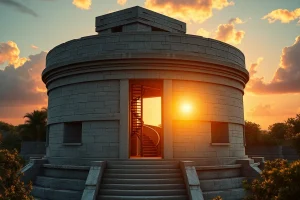
The architecture is unique as the only round structure found at the site. The upper tower contains three surviving openings that are small, narrow, and irregularly placed. These are identified as viewing shafts. The lower level features four outer doorways. While early theories suggested these doorways aligned with the cardinal points, modern measurements demonstrate that this is not true. They miss these marks by 10 – 12°. This intentional deviation is key to understanding the building’s function.
Astronomical Interpretation
The three window shafts in the upper tower align with various celestial events on the horizon. Specifically, observers could have watched for Venus rising at its northern and southern extremes. Venus was of paramount importance in Maya cosmology, often associated with warfare and the deity Quetzalcoatl (Kukulcan). Additionally, the alignments track the equinox sunset. The emphasis on celestial bodies documented in the literature as having been of importance supports the theory that the building was designed to track these specific cycles.
Archaeological Evidence
The evidence relies on accurate measurements of the lines of sight provided by the door and window openings. Investigations reveal a number of significant astronomical events coinciding with many of the measured alignments. The physical survival of the three openings in the half-ruined higher tower allows archaeologists to reconstruct the sightlines. The interdisciplinary approach combined architectural measurement with astronomical modeling to verify these claims.
Alternative Interpretations
Despite the strong evidence, not every alignment appears to have an astronomical match which researchers can recognize. It may be that only some of the sighting possibilities were actually functional. Perhaps hitherto unrecognized constellations were sighted in the windows, or perhaps fainter stars, the heliacal rising and setting times of which could have served to mark important dates in the calendar. Some scholars propose no grand cosmic scheme for the astronomical design of the Caracol but infer that the building, apart from being a monument related to Quetzalcoatl, served specific observational needs.
Scholar Consensus
The consensus among archaeoastronomers is that El Caracol was accurately constructed to allow observations of astronomical phenomena which, in turn, influenced the cultural and agricultural life of the community. The 1975 study by Aveni, Gibbs, and Holhorst published in Science remains a foundational text in this analysis. The building is no longer considered an architectural mistake but a deliberate engineering feat designed for positional astronomy.
Visitor Misconception
A common misconception among visitors is that the four outer doorways are aligned with the cardinal points (North, South, East, West). This belief stems from early assumptions before precise measurements were taken. However, modern measurements demonstrate that this is not true. They miss these marks by 10 – 12°. Understanding this deviation is crucial for appreciating the specific astronomical targets the Maya intended to observe, rather than assuming a generic cardinal orientation.
FAQ
Why is El Caracol called the Snail?
The name refers to the narrow winding staircase inside the tower that resembles a snail shell.
Were the doorways aligned to Cardinal Points?
No, modern measurements show they miss cardinal points by 10-12 degrees to align with specific astronomical events.
What planet was primarily observed from El Caracol?
Venus was a primary focus, specifically its rising at northern and southern extremes.
Leave a Reply