
Short Answer
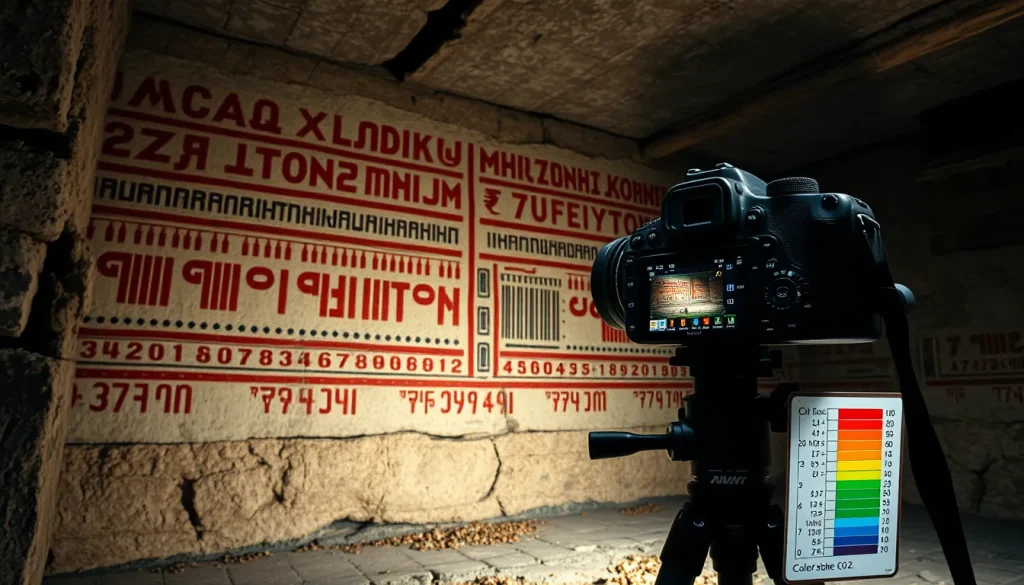
The digital preservation of the Xultun astronomical murals stands as a critical endeavor in modern Mesoamerican archaeology, bridging the gap between ancient scientific achievement and contemporary heritage management. Located within the dense tropical forests of the northeastern Petén region in Guatemala, the site of Xultun was a significant urban center during the Classic Period, flourishing between the 5th and 9th centuries CE. Among its most profound discoveries is Structure 10K-2, a small residential building containing wall paintings that depict intricate astronomical tables and calendrical calculations. These murals, dating to the early 9th century, provide the earliest known evidence of Maya astronomers recording long-term celestial cycles, including those of the Moon and Venus. However, the fragility of these painted surfaces, exposed to humidity, biota, and potential looting, necessitates advanced conservation strategies. The San Bartolo-Xultun Regional Archaeological Project (PRASBX) has pioneered the use of digital heritage technologies to document, analyze, and preserve these irreplaceable records without causing physical harm to the original substrate.
Main Explanation
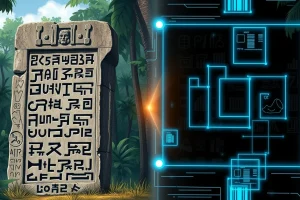
The Xultun murals are not merely artistic decorations; they are functional scientific records created by Maya scribes and astronomers. The primary chamber, identified as 10K-2, features columns of numbers and glyphs that correlate with known Maya calendar systems, specifically the Long Count and the Tzolk’in. These records were used to predict celestial events, which were essential for regulating agricultural cycles, ritual timings, and political legitimacy. The preservation of this data is paramount because it offers unique insights into the intellectual history of the Maya civilization, demonstrating a sophisticated understanding of mathematics and astronomy that predates similar developments in other parts of the world. Digital preservation involves creating high-resolution, multi-spectral replicas of the murals. This process captures details invisible to the naked eye, such as underdrawings or faded pigments, ensuring that the data remains accessible even if the physical walls degrade over time. By converting physical heritage into digital assets, archaeologists can share this knowledge globally while minimizing human traffic to the sensitive site.
The significance of these murals was further amplified in 2026 with the publication of new decipherments by project members Franco Rossi, David Stuart, and Heather Hurst. Their study identified the name of a specific Maya astronomer-mathematician, Sak Tahn Waax, marking the first time such an individual has been named in relation to these calculations. This personalization of ancient science highlights the human element behind the data and underscores the need to preserve the context in which these names were recorded. The PRASBX project, a multi-institutional collaboration, engages in archaeology, art conservation, and environmental science to protect these sites. Their work spans the broader timeline of the region, from the earliest evidence of Maya writing at San Bartolo in the 4th century BCE to the fall of Classic kingdoms around 900 CE. Digital preservation is thus not just about saving paint on plaster; it is about safeguarding the history of human intellectual development in the Americas.
Evidence & Sources
The archaeological evidence for the Xultun murals is grounded in rigorous fieldwork conducted over the last two decades. The PRASBX team has documented the material aspects of ancient Maya life, ranging from settlement patterns to hydrology and household economies. The specific discovery of the mural chamber 10K-2 provided physical proof of the Maya’s capability to track large cycles of time, a topic previously debated among scholars. The digital records generated by the project serve as primary evidence for ongoing research. These records include gigapixel panoramas and 3D models that allow researchers to measure glyph dimensions and pigment composition remotely. The collaboration extends beyond academia; PRASBX works closely with local communities including San Andrés, San Miguel la Palotada, and Uaxactún. Local partners such as the Asociación de Comunidades Forestales de Petén and the Consejo Nacional de Áreas Protegidas are integral to the site’s protection. This community-based approach ensures that the digital preservation efforts align with local conservation objectives and site management plans. Furthermore, documentary media produced by resident documentarian Riley Mallory, such as the 2024 film “The San Bartolo Murals,” provides visual evidence of the conservation challenges and the significance of the painted masterpieces. These media assets, alongside the scientific data, form a comprehensive archive that supports the authenticity and importance of the Xultun findings.
Deep Dive Analysis
Technology Description
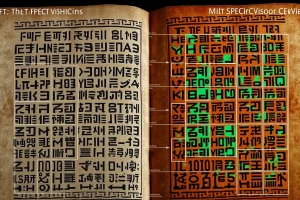
The digital preservation of the Xultun murals relies on a suite of non-invasive imaging technologies. Primary among these is photogrammetry, which uses overlapping photographs to create precise 3D models of the mural surfaces. Complementing this is multispectral imaging, which captures data across different wavelengths of light, including ultraviolet and infrared. This technology is crucial for revealing pigments that have faded or been obscured by calcium carbonate deposits common in limestone environments.
How It Works
In the field, specialized cameras equipped with filters capture images of the murals under controlled lighting conditions. These images are processed using software that aligns them based on common points, generating a textured mesh that represents the wall’s topography. For multispectral analysis, light sources of specific frequencies illuminate the wall, and sensors record how different pigments reflect or absorb that light. This data is then layered to enhance contrast between the paint and the plaster background.
Field Workflow
The workflow begins with site stabilization, ensuring the structure is safe for equipment setup. Technicians then map the wall surface using total stations to establish spatial coordinates. Imaging teams work in shifts to capture hundreds of high-resolution photographs. Data is backed up daily on ruggedized storage devices to prevent loss due to the humid jungle environment. The process is coordinated with conservationists to monitor any changes in the wall’s condition during the imaging process.
Output/Data
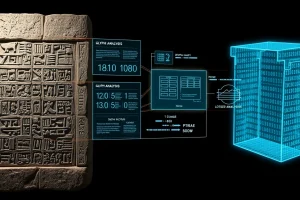
The final outputs include orthorectified images, which are 2D representations corrected for perspective distortion, allowing for accurate measurement of glyphs. 3D models enable virtual navigation of the chamber, permitting researchers to examine the murals from angles impossible in the physical space. Spectral data sets are archived as layered files, allowing future analysts to adjust contrast levels as algorithms improve.
Example
A prime example of this technology’s application is the documentation of the “Sak Tahn Waax” text. Digital enhancement allowed epigraphers to distinguish faint glyph strokes that were previously illegible. This led to the 2026 identification of the astronomer’s name, demonstrating how digital tools can directly contribute to new historical discoveries without touching the artifact.
Strengths
The primary strength of digital preservation is permanence. Unlike physical plaster, which is subject to erosion and biological growth, digital files can be replicated infinitely without degradation. It also facilitates accessibility; researchers worldwide can study the murals without traveling to the remote Petén region, reducing the carbon footprint and physical wear on the site.
Limitations
Despite its advantages, digital preservation has limitations. Technology becomes obsolete, requiring constant migration of data to new formats. Additionally, digital models cannot fully replicate the tactile experience or the spatial context of standing within the ancient room. There is also a risk that high-resolution data could be misused by looters to identify undocumented features, though access is strictly controlled by PRASBX.
Accuracy
Modern photogrammetry achieves millimeter-level accuracy, sufficient for epigraphic analysis. However, color fidelity depends on calibration standards used during capture. PRASBX employs color charts and lighting standards to ensure that the digital colors match the physical reality as closely as possible, though some variation remains inevitable.
Cultural Heritage Considerations
Digital preservation is conducted within a framework of ethical stewardship. PRASBX collaborates with local groups like the Organización Manejo y Conservación en Uaxactún to ensure that digital assets benefit the communities guarding the land. Educational materials derived from these digital records are made accessible to local schools, fostering pride and awareness. The project recognizes that while the data belongs to humanity, the physical site belongs to Guatemala and its local custodians. Long-term site management plans integrate digital monitoring to track environmental changes, ensuring that conservation efforts are data-driven and culturally respectful.
FAQ
What is the primary purpose of the Xultun murals?
The murals served as astronomical tables for tracking celestial cycles like those of the Moon and Venus, used for calendrical and ritual purposes.
Who is Sak Tahn Waax?
Sak Tahn Waax is the name of a Maya astronomer-mathematician identified in 2026 through decipherment of text from the Xultun mural chamber.
How does digital preservation help the site?
It creates permanent, high-resolution records that allow global research access without physical contact, reducing wear and protecting fragile pigments.
Leave a Reply