
Short Answer
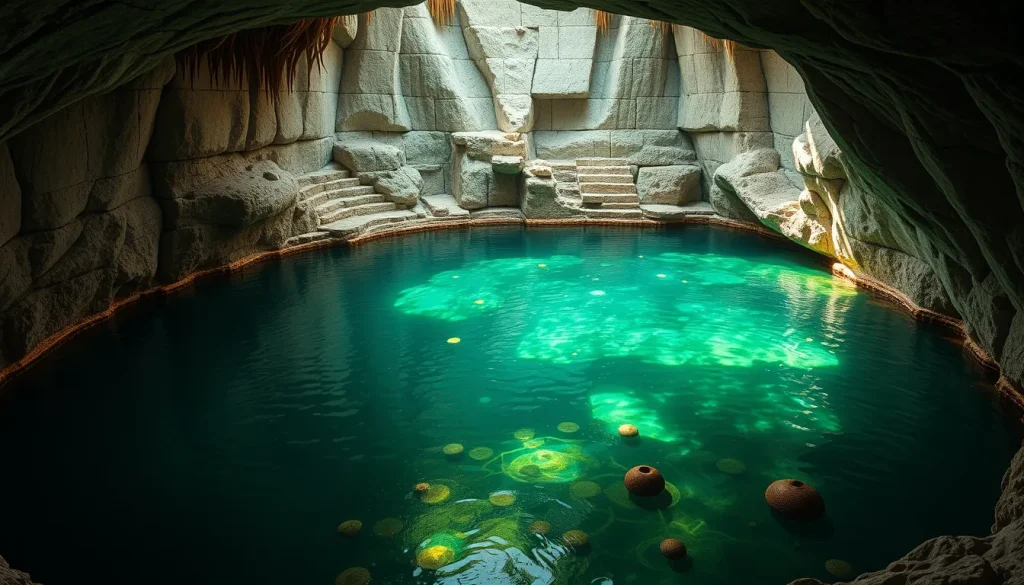
The Sacred Cenote at Chichén Itzá stands as one of the most significant archaeological sites in the ancient Americas, serving as a profound repository of ritual offerings and a window into Maya cosmology. Named a UNESCO World Heritage Site in 1988, Chichén Itzá was a religious, economic, social, and political capital on the Yucatán Peninsula between the eighth and twelfth centuries A.D. Within the ceremonial heart of the city lies this impressive natural feature, a sinkhole formed from a collapsed cave in the limestone bedrock, enclosing a deep pool of jade green water some eighty feet below ground level. This cenote, which gave the city its name, became a sacred shrine of Maya pilgrimage, described by post-Conquest sources and confirmed by modern excavation as a primary locus for sumptuous offerings and sacrificial rituals.
Main Explanation
The archaeological findings from the Sacred Cenote provide an unparalleled look into rituals of sacrifice and indigenous concepts of value among the Maya. The cenote functioned not merely as a water source but as a portal to the underworld, or Xibalba, where offerings were deposited to appease deities and ensure agricultural fertility and political stability. The extraordinary assemblage recovered from the site contains a wealth of information about the foreign presence or influence at Chichén Itzá, indicating broad trade networks and cultural exchanges during the Terminal Classic and Early Postclassic periods. Visitors to modern exhibitions, such as the Golden Kingdoms: Luxury and Legacy in the Ancient Americas gallery at The Metropolitan Museum of Art, have encountered immersive displays designed to contextualize these works of art found at this single site.
The physical structure of the cenote itself is integral to its ritual function. The vertical limestone walls create a natural enclosure that isolates the water from the surface world, enhancing its sacred nature. Over the course of centuries, Maya peoples deposited objects into this deep pool, creating a stratified record of devotion. The site remains one of the most visited destinations in Mexico, with its iconic pyramids and temples covered in elaborate sculptural programs drawing attention to the broader ceremonial landscape in which the cenote operated. The findings suggest that the cenote was active during the city’s peak, serving as a central node in the religious infrastructure of the Itzá people.
Evidence & Sources
The primary evidence for the cenote’s significance comes from extensive archaeological recovery and analysis conducted over the last century. Edited volumes such as Artifacts from the Cenote of Sacrifice, Chichen Itza, Yucatan by Clemency Chase Coggins document the sheer diversity of materials recovered. The assemblage includes textiles, basketry, stone, bone, shell, ceramics, wood, copal, rubber, other organic materials, and mammalian remains. This variety contradicts earlier simplistic narratives that focused exclusively on precious metals, highlighting instead a complex economy of sacrifice where organic materials held equal or greater spiritual weight.
Modern scientific analysis has further refined our understanding of these artifacts. A multi-stage archaeometric analysis undertaken of 22 hammered metals recovered from the Cenote Sagrado, published in Historical Metallurgy in 2021, utilized optical microscopy and pXRF for determination of bulk composition. Finer resolution analyses, including RBS, SR-XRD and SR-XRF, were conducted on particular objects. The study revealed that eighteen objects are Cu-Au-based, while the axe-monies and tweezers are Cu-based. At least two sandals were finished with electrochemical replacement gilding. This level of technical sophistication underscores the high value placed on these offerings and the specialized craftsmanship dedicated to ritual deposition.
Furthermore, the publication Cenote of Sacrifice: Maya Treasures from the Sacred Well at Chichen Itza edited by Clemency Chase Coggins and Orrin C. Shane provides a comprehensive overview of the site’s history and contents. The text confirms that Chichén Itzá served as a great center of civilization in prehistoric America, with the cenote acting as a sacred shrine. The depth of the pool, some eighty feet below ground level, required significant effort to access and deposit offerings, reinforcing the intentionality of the rituals. The combination of historical texts, excavation records, and modern metallurgical analysis creates a robust evidentiary framework for understanding the cenote’s role in Maya society.
Deep Dive Analysis
To fully understand the archaeological findings, it is necessary to address common misconceptions through a rigorous Myth vs Fact analysis. This approach distinguishes between historical Maya beliefs and modern interpretations or sensationalized claims.
Claim 1: The Cenote Contains Only Gold Artifacts
Verdict: False.
Origin of Claim: Early 20th-century excavations and popular media often highlighted gold discs and ornaments due to their visual appeal and monetary value, overshadowing other materials.
Evidence: According to Harvard University Press publications on the artifacts, the recovery includes textiles, basketry, stone, bone, shell, ceramics, wood, copal, rubber, and other organic materials. The Metropolitan Museum of Art notes that the assemblage contains a wealth of information about indigenous concepts of value, which extended beyond precious metals to include organic and utilitarian items.
Scholar Consensus: Archaeologists agree that while gold was present and significant, it represented only a fraction of the total offerings. Organic materials, though less preserved, were likely more numerous.
Remaining Uncertainties: The exact proportion of organic to inorganic materials remains difficult to quantify due to degradation over centuries in the water.
Claim 2: All Human Remains Belong to Young Virgins
Verdict: False.
Origin of Claim: Colonial-era chronicles and subsequent romanticized histories popularized the narrative of virgin sacrifice to the rain god Chaac.
Evidence: The book Artifacts from the Cenote of Sacrifice lists mammalian remains among the findings without specifying age or gender exclusively as young females. Modern bioarchaeological analysis of remains from similar contexts often shows a diversity of ages and sexes, suggesting varied ritual purposes beyond a single type of sacrifice.
Scholar Consensus: While sacrifice occurred, the demographic profile of victims was likely more complex than the “virgin” myth suggests. The cenote served as a repository for various types of ritual deposits over centuries.
Remaining Uncertainties: Detailed osteological analysis of all human remains from the cenote is ongoing, and specific demographic data for every individual is not yet fully public.
Claim 3: The Metals Were Pure Gold
Verdict: False.
Origin of Claim: Visual appearance of gilded objects led to assumptions of solid gold composition.
Evidence: The 2021 Historical Metallurgy study found that eighteen objects are Cu-Au-based, while axe-monies and tweezers are Cu-based. At least two sandals were finished with electrochemical replacement gilding, not solid gold.
Scholar Consensus: The metallurgy reflects sophisticated alloying and surface treatment techniques rather than the use of pure native gold.
Remaining Uncertainties: The specific source of the copper and gold ores used in these alloys is still a subject of geological and archaeological investigation.
FAQ
What is the Sacred Cenote at Chichén Itzá?
It is a natural sinkhole within the ceremonial heart of Chichén Itzá that served as a sacred shrine and repository for ritual offerings and sacrifices between the 8th and 12th centuries A.D.
What kinds of artifacts were found in the Cenote?
Findings include gold and copper alloys, jade, ceramics, textiles, basketry, stone, bone, shell, wood, copal, rubber, and mammalian remains.
Was the Cenote used only for human sacrifice?
No, while human remains were found, the cenote was primarily a repository for diverse votive offerings including valuable objects and organic materials intended for deities.
How deep is the water in the Sacred Cenote?
The pool of jade green water is located some eighty feet below ground level, enclosed by vertical limestone walls.
Leave a Reply